
Common Commercial Generator Repairs
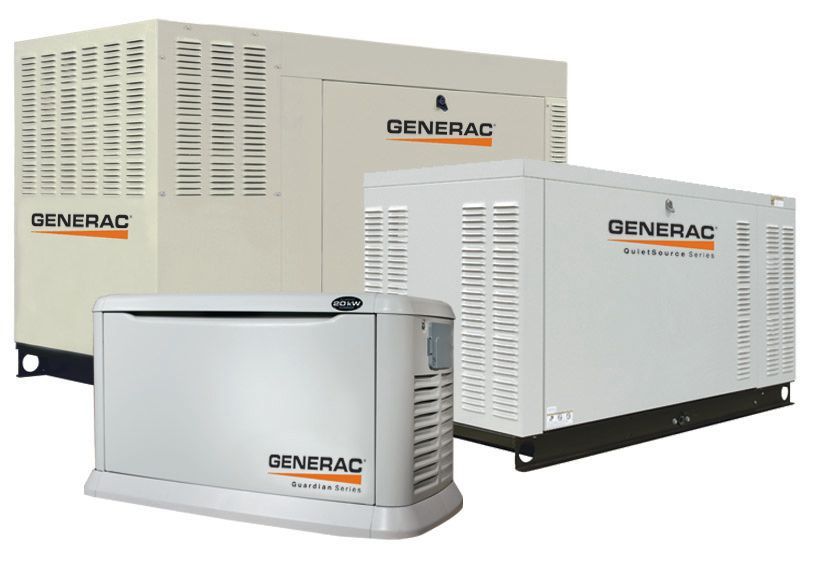
Generators play a crucial role in commercial settings, providing essential backup power when the main supply fails. Business operations can face significant operational disruptions without a well-maintained generator, leading to financial losses and inconveniences. Regular maintenance and timely commercial generator repairs are critical to ensure generators' reliability, functionality, and longevity. According to Generac Power Systems, over 60% of U.S. power outages are caused by severe weather conditions, fueling the demand for reliable standby generators.
Understanding Basic Generator Functionality
A commercial generator is made up of several essential components that work together to reliably produce electricity, all of which must function properly to minimize the need for extensive commercial generator repairs. At the core is the engine, which generates mechanical energy to drive the alternator, while the alternator converts that energy into electrical power through electromagnetic induction. Supporting systems such as the fuel system, which supplies the engine with energy, and the control panel, which monitors and manages overall operation, are critical to maintaining efficient performance.
Generators produce electricity using electromagnetic induction, a principle discovered by Michael Faraday. This process involves rotating a coil of wire in a magnetic field, which induces an electric current in the wire. The engine drives the alternator shaft in a generator, turning the rotor inside a stator. The movement of these components within a magnetic field generates electricity, which is then distributed through wires to power various devices.
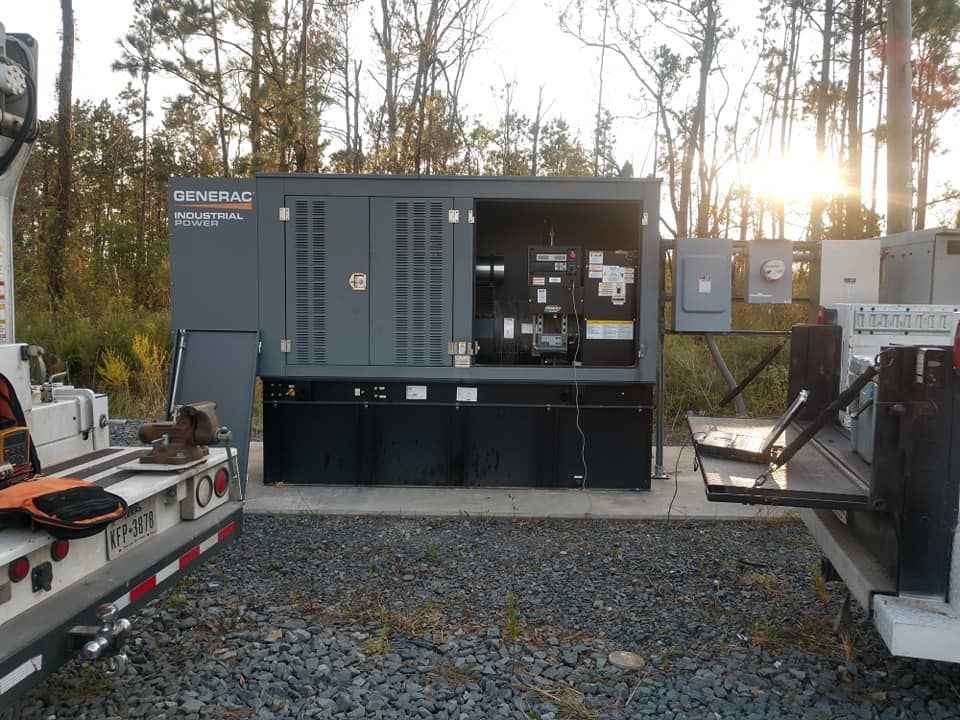
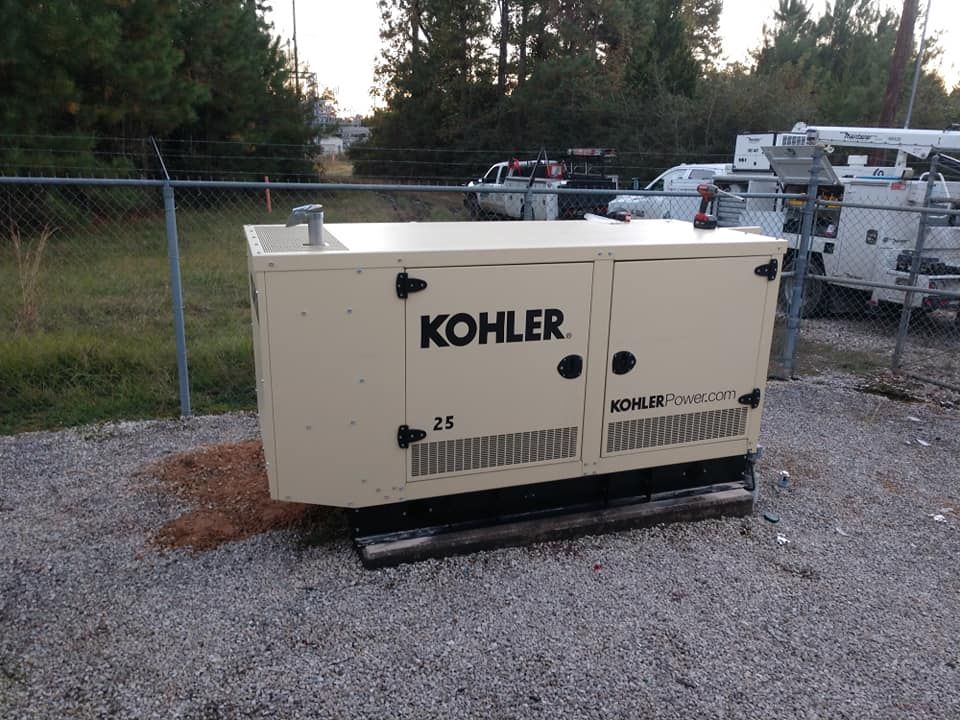
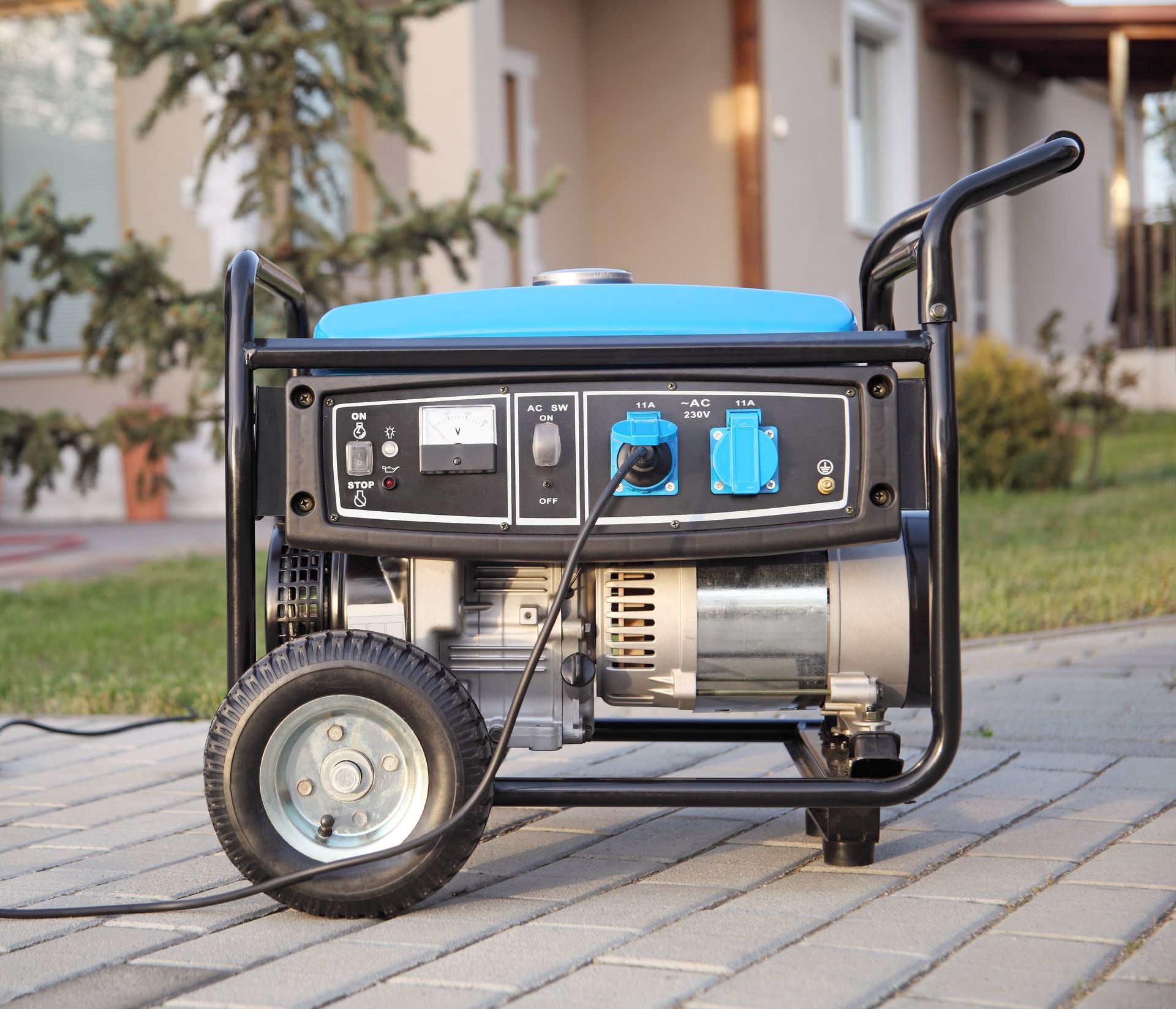
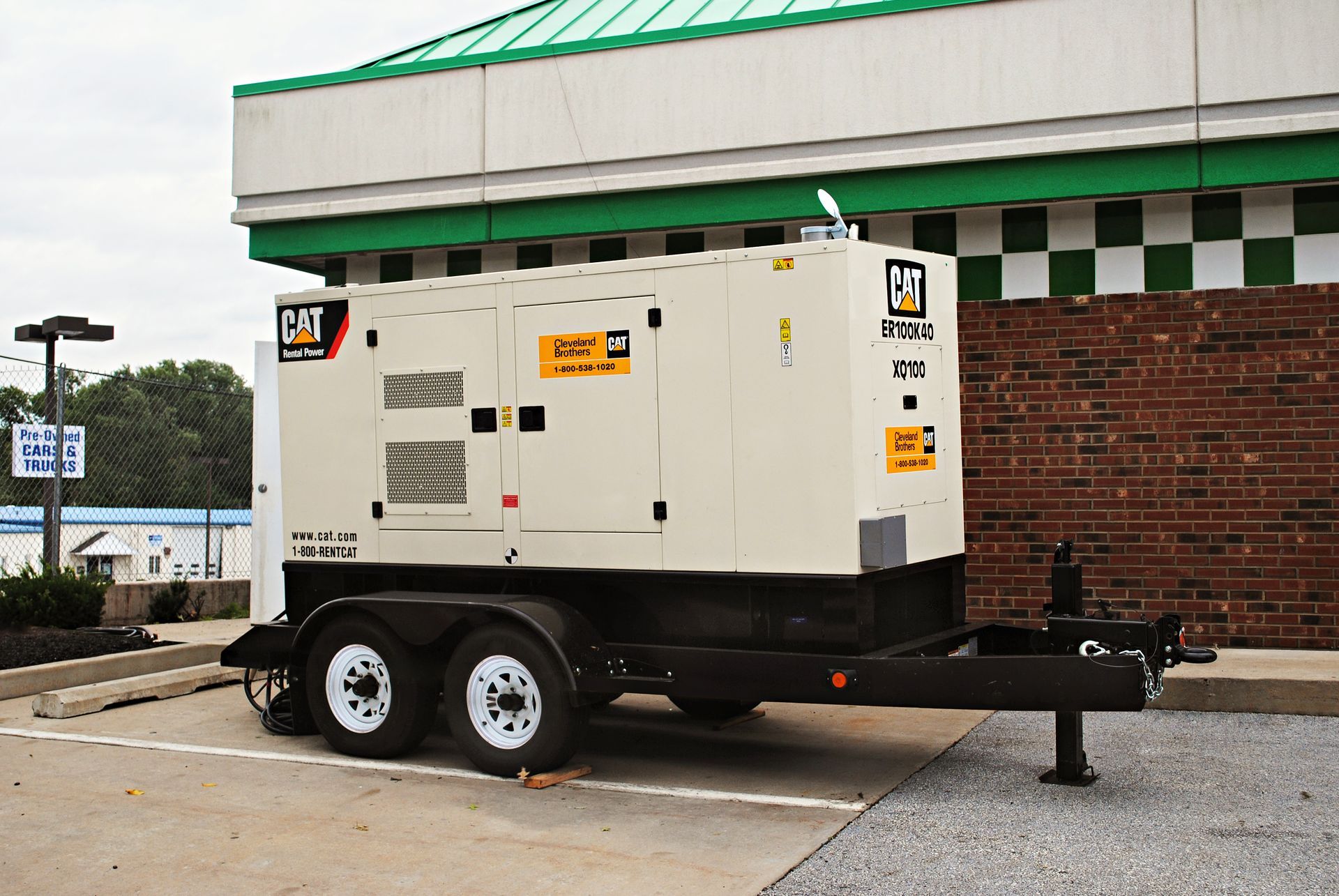
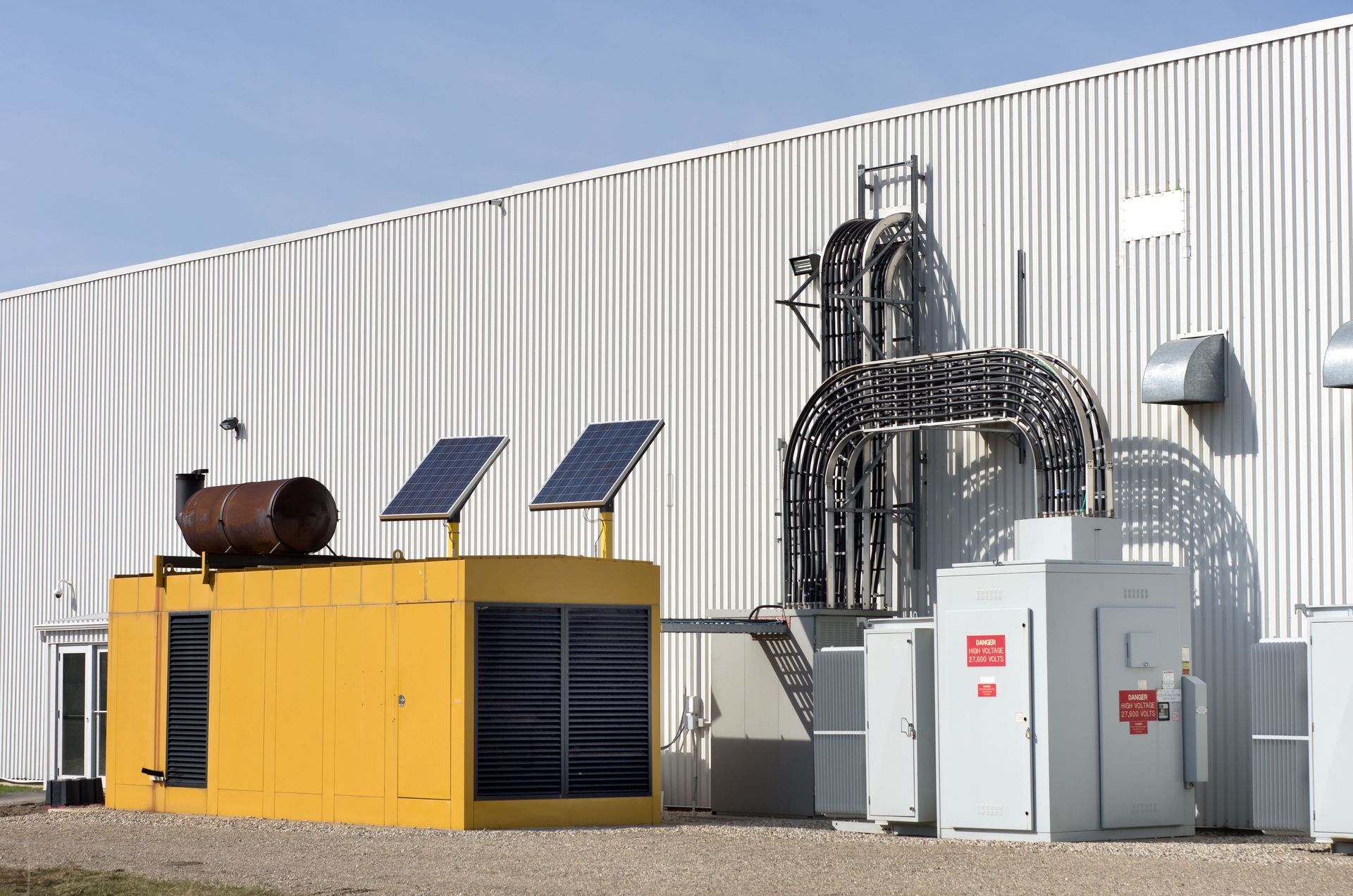
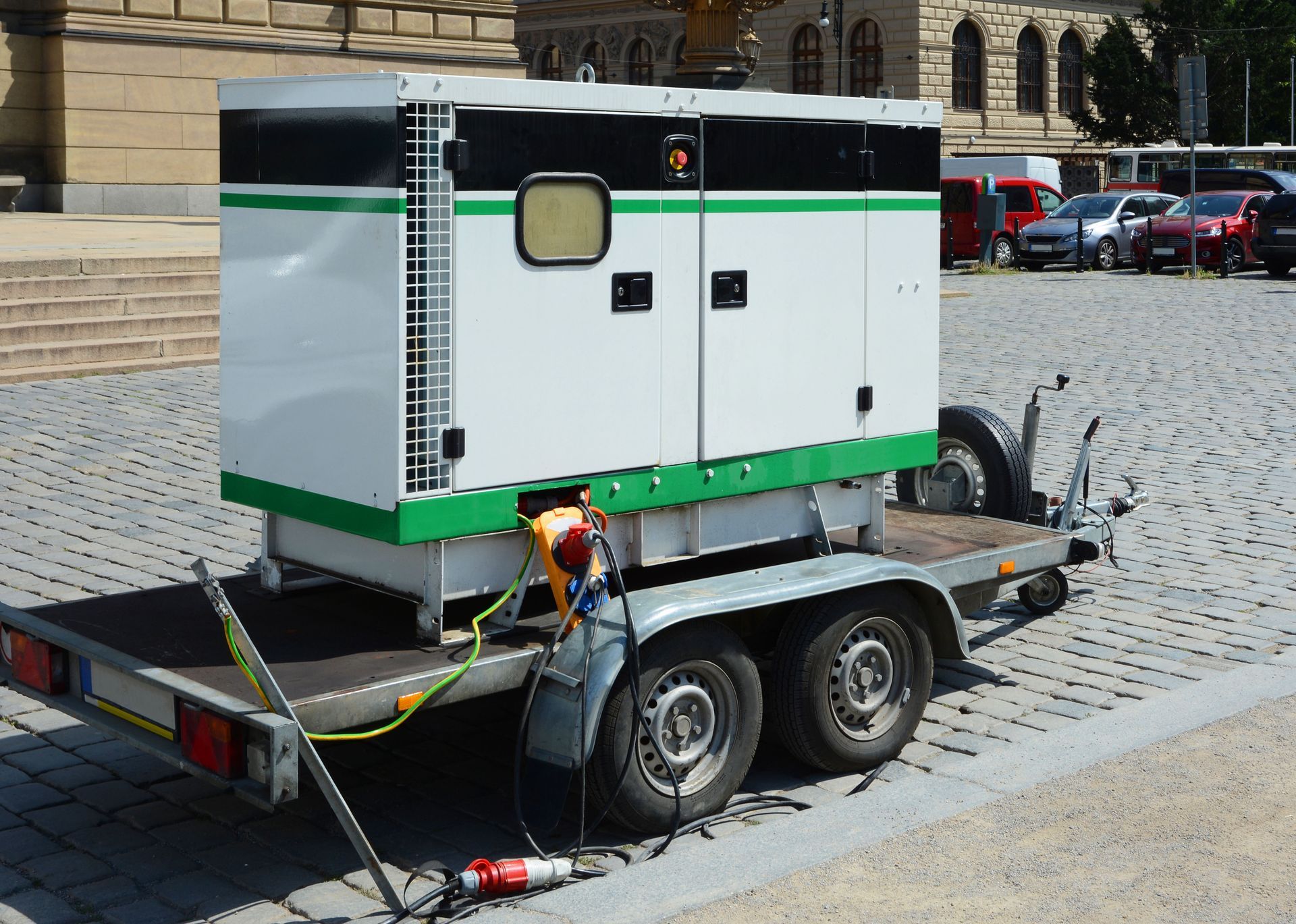
Commercial settings often utilize different types of generators, each suited for specific needs and applications. Diesel generators are highly popular due to their durability, fuel efficiency, and ability to provide significant power outputs for extended periods. Natural gas generators, on the other hand, offer cleaner emissions and are often favored in areas with readily accessible gas supplies. Portable generators provide flexibility and are handy for temporary setups or remote sites needing a powerful and compact power source.
Diagnosing Generator Problems
Identifying early signs of generator problems can prevent breakdowns and costly repairs. Common symptoms include unusual noises, such as knocking or grinding, indicating mechanical issues like engine bearing wear. Smoke emissions, whether black, white, or blue, suggest fuel-related or combustion problems that need immediate attention. A generator failing to start can be linked to various issues such as battery failure, fuel system problems, or electrical faults.
Effective troubleshooting of generator issues relies on using the proper tools and proven techniques, especially when performing commercial generator repairs. Diagnostic equipment such as multimeters, oscilloscopes, and infrared thermometers allows technicians to identify electrical faults, verify voltage output, and detect overheating components before they lead to larger failures. Applying a step-by-step approach helps accurately determine the root cause of a malfunction. Thorough documentation of each test and result supports a structured problem-solving process and improves the efficiency and consistency of future commercial generator repairs.
While basic diagnostics might be manageable in-house, certain generator issues necessitate professional inspection. Certified technicians possess the knowledge, experience, and tools to diagnose complex problems accurately. Their expertise ensures that repairs are conducted safely and efficiently, maintaining the generator's performance and lifespan. Relying on professionals avoids further damage caused by incorrect repairs and guarantees adherence to industry standards.
Repairing Fuel System Issues
Fuel system problems are common in commercial generators and can severely impact performance. Contaminated fuel introduces debris into the system, clogging filters and injectors, leading to reduced efficiency and potential engine damage. Fuel leaks pose a fire hazard and cause insufficient fuel availability, preventing stable generator operation. Apart from maintenance errors, such issues may also occur due to environmental factors or poor fuel quality.
Detecting and repairing fuel leaks is essential for maintaining safety, efficiency, and reliability during commercial generator repairs. Fuel leaks can develop in lines, fittings, or storage tanks and are typically identified through careful visual inspections and pressure testing. Once a leak is confirmed, prompt corrective action is necessary to prevent fire risks, environmental hazards, and unnecessary fuel loss. Proper repairs often involve tightening loose connections or replacing damaged components, with all commercial generator repairs performed in strict accordance with established safety standards.
Regular cleaning and replacement of fuel filters are vital for maintaining generator efficiency. Clogged filters restrict fuel flow, reducing power output and stressing the engine. Cleaning filters involves removing debris and inspecting for damage, typically a straightforward maintenance task. However, depending on the severity of the clogging or age of the filter, replacements may be necessary to restore optimal function.
Maintaining Electrical Systems
Alternator issues are a common cause of electrical malfunctions in generators and play a significant role in determining overall power output during generator repairs. Problems may appear as reduced voltage, unstable performance, or total power failure, often stemming from worn bearings or damaged windings. Routine testing and detailed inspections help identify early warning signs before minor issues escalate into major failures. Depending on the alternator's condition and service life, effective commercial generator repairs may involve targeted repairs or complete replacement to restore reliable operation.
Batteries are critical for starting the generator and supporting control systems; failures can render the generator non-operational. Battery issues typically arise from improper charging or old age, leading to inadequate power supply. Regular voltage checks and maintenance procedures, such as cleaning terminals and ensuring proper connections, help prevent these failures. The charging system, responsible for maintaining battery health, should also be regularly inspected for faults.
Wiring problems pose a significant risk to generator safety and performance, often resulting from loose connections or insulation wear. Identifying wiring issues requires thorough visual inspections and using diagnostic tools like multimeters to check continuity and voltage levels. Repairing these problems involves securing connections, replacing damaged wires, and ensuring proper insulation. Regular checks and professional audits minimize the risk of electrical faults, preventing damage or hazardous situations.
Addressing Mechanical Failures
Engine problems are among the most frequent mechanical issues, often presenting as overheating, oil leaks, or strange noises. Overheating, caused by inadequate cooling or blocked passages, can lead to engine damage and requires prompt resolution. Oil leaks need to be addressed swiftly, ensuring proper lubrication to prevent engine wear and maintain efficiency. Identifying noise sources is crucial; knocks or rattles may indicate loose components or internal damage.
Effective lubrication and cooling are vital for generator engines, ensuring smooth and reliable performance. Regular oil changes and fluid level checks help maintain sufficient lubrication, reducing friction and wear. Cooling systems should be inspected for leaks, blockages, and proper fluid circulation, preventing overheating concerns. Implementing these maintenance practices ensures engines operate within safe temperature limits, promoting longevity and efficiency.
Valves and pistons are integral to engine operation, with damage or wear leading to decreased performance and efficiency. Diagnosing issues involves inspecting components visually and using equipment like compression testers to assess functionality. Training personnel to recognize early signs of trouble, such as reduced power, helps prevent extensive damage. Repairs may involve replacing worn parts, ensuring alignment and optimal sealing, restoring engine integrity and output.
Regular maintenance and professional service play a critical role in maintaining the reliability and efficiency of commercial generators, helping businesses avoid costly downtime and operational disruptions. Understanding core engine components, applying proven troubleshooting techniques, and addressing common mechanical failures are all essential elements of effective commercial generator repairs. Ultimately, long-term performance depends on implementing comprehensive maintenance strategies, investing in staff training, and leveraging advanced technologies to proactively identify and prevent potential failures. For quality commercial and residential generator services, contact Emergency Power Service.


Share On: