
How to Determine the Right Generator Size for Your Business
In today's unpredictable world, having a reliable power supply is crucial for any business. Whether you're facing frequent power outages or planning for unforeseen emergencies, commercial generators can be invaluable assets. However, determining the right generator size is essential to ensure it meets your power needs effectively. Here, we aim to guide you through the key factors and processes involved in selecting the appropriate generator size for your business.
Understanding Your Power Requirements
Identify Essential Equipment and Appliances
The first step in choosing the right generator size is to identify the essential equipment and appliances your business relies on during power outages. Essential equipment might include servers, lighting, security systems, refrigerators, HVAC systems, and specialized machinery, depending on your industry. Prioritizing these items is crucial to prevent downtime that could affect your business operations or customer service. Creating a list of this equipment, along with their wattage requirements, will help you determine the total power load. By ensuring that your generator can support all critical operations, you minimize the risk of interruptions that could have significant financial consequences.
Evaluate Peak and Non-Peak Usage
Businesses often have varying power needs throughout the day, making it important to differentiate between peak and non-peak usage. Peak usage refers to times of day when energy consumption is at its highest, usually when all equipment is operational. Conversely, non-peak times occur during reduced activity, such as overnight or during non-working hours. Understanding these differences is crucial because your generator needs to accommodate your peak load to avoid power disruptions. By analyzing your business’s power demand patterns, you can more accurately determine the required generator size, ensuring efficient and sufficient power supply at all times.
Consider Future Business Growth and Expansion
When selecting a generator, it is essential to factor in your business’s potential growth and expansion plans. The generator you choose today should not only meet current needs but also accommodate future increases in power demands due to expansion, additional equipment, or growing customer bases. Ensuring scalability can prevent further investment in new equipment in the near future. This forward-thinking approach saves both time and resources while ensuring seamless operations as your business evolves. According to Global Market Insights, the market value of standby generators with 150 kVA to 300 kVA capabilities will exceed USD 4 billion by 2034, driven by the increasing demand fueled by real estate development, infrastructural expansion, and rapid industrialization. This fact emphasizes the long-standing need for businesses to utilize generators in the long term.
Analyze Standby vs. Continuous Power Needs
Understanding whether your business primarily requires standby or continuous power is another pivotal determining factor for generator selection. Standby power is utilized for short-term outages and often kicks in automatically when the main power supply fails. On the other hand, continuous power is necessary for off-grid operations where no electrical supply is available. Each generator type suits different scenarios, so analyzing your needs helps ensure you are not over- or under-equipped. Eventually, the choice impacts the generator’s capacity and the overall cost, so it's crucial to consider the specific use case scenario for your business.
Types of Generators for Business Use
Standby Generators
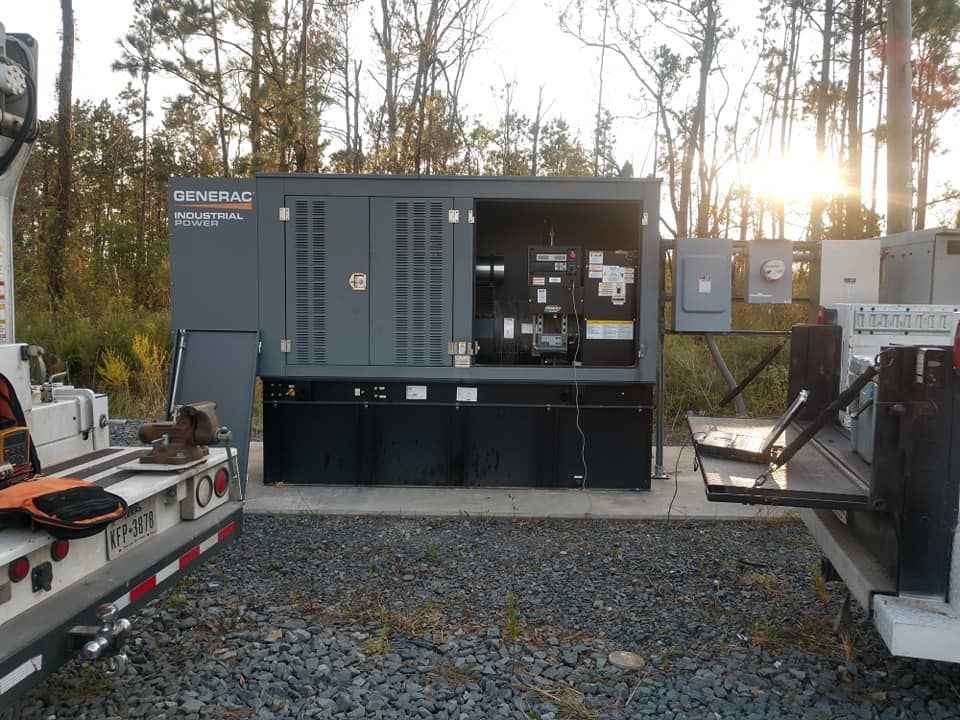
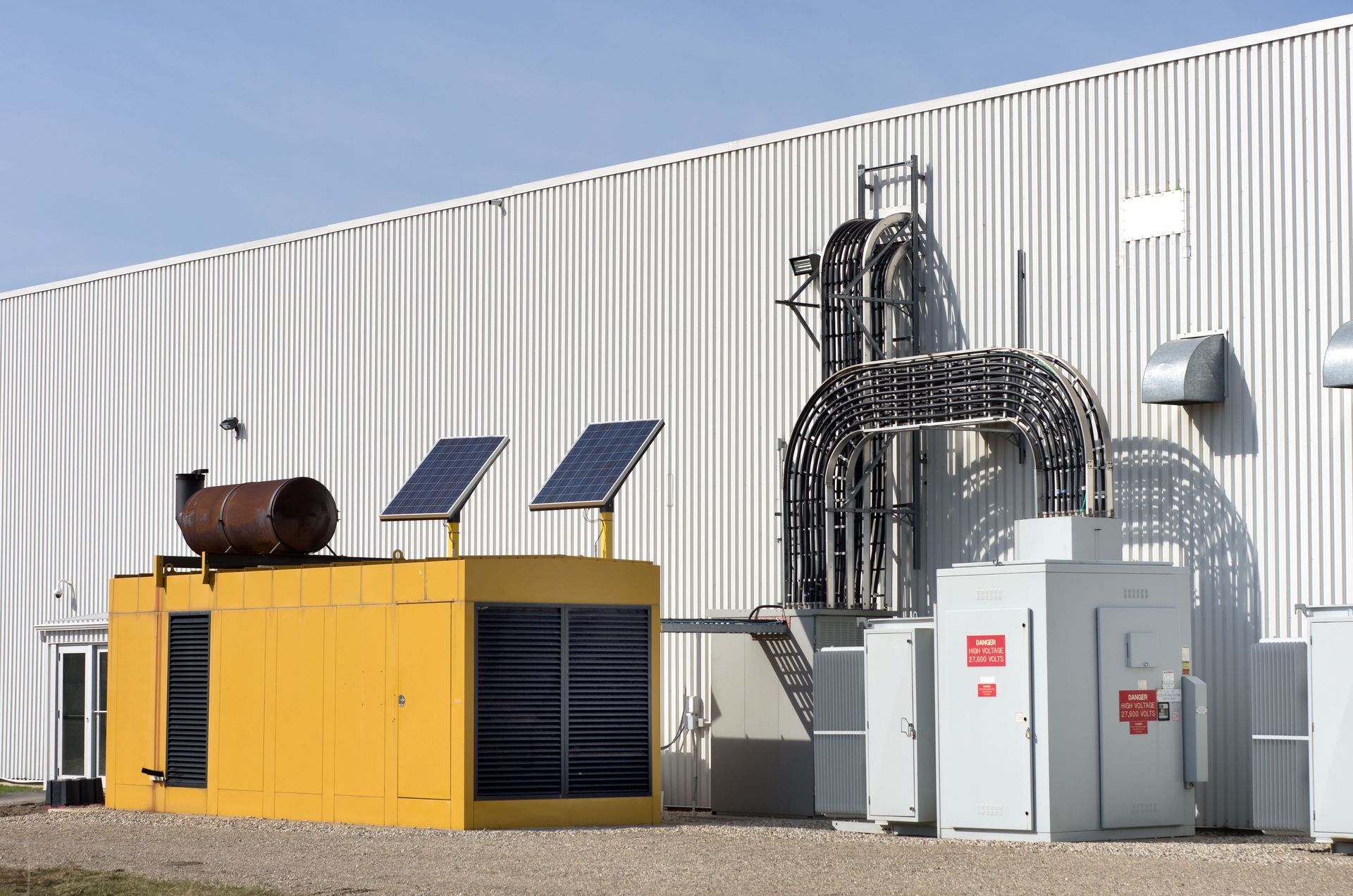
Standby generators are ideal for businesses that require reliable power backup systems, primarily during outages. These commercial generators automatically switch on during power loss and supply electricity to predetermined circuits. The advantage of standby generators lies in their automated process and the minimal user intervention required. Moreover, they are permanently installed and can be more cost-effective in the long run for businesses with frequent or prolonged outages. Standby generators can handle larger power loads, making them a preferred choice for businesses with critical operations that cannot afford downtime, aligning with the predicted market growth spurred by infrastructure and industrial growth.
Portable Generators
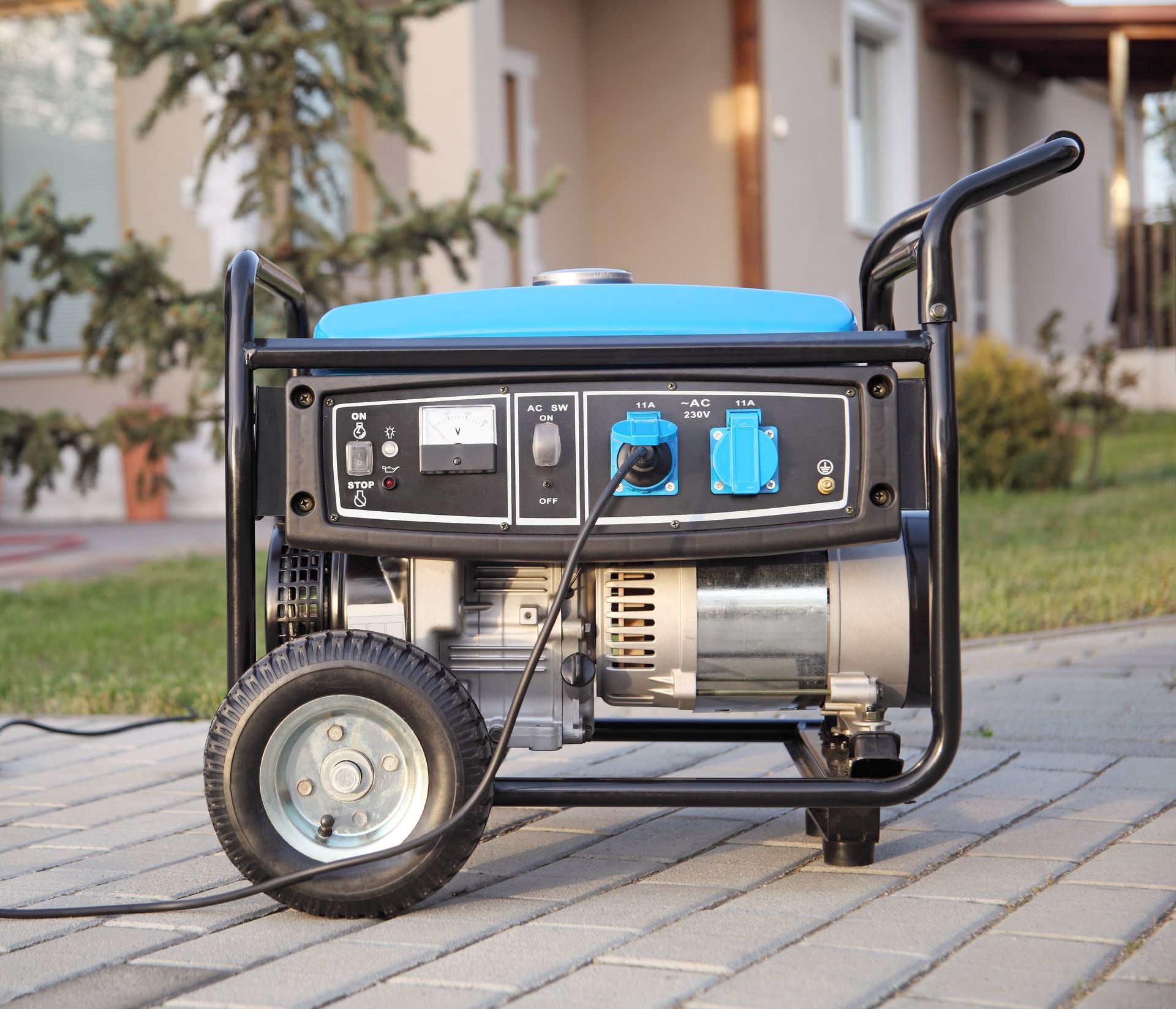
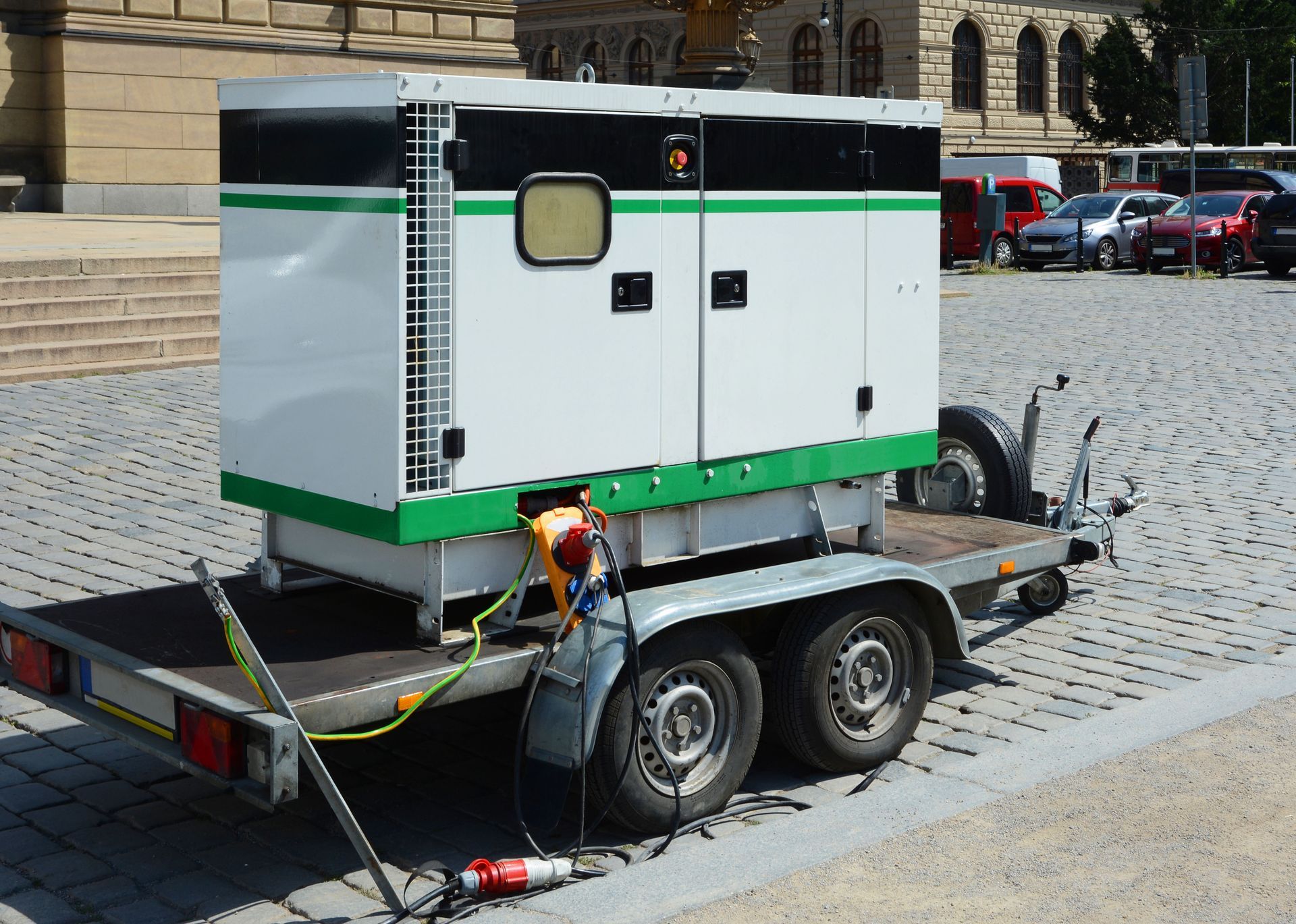
Portable commercial generators offer flexibility and ease of use, suitable for smaller businesses or temporary setups. They are ideal for businesses that require temporary backup solutions, such as in construction or event management. Despite their size limitations, portable generators provide sufficient power for smaller applications and can be moved and positioned as needed. However, they usually need manual operation, which may require a dedicated person to manage the transition during power loss. While offering initial cost savings, it’s essential to determine their applicability based on the power demand scales required by your operations.
Inverter Generators
Inverter commercial generators are known for their efficiency and quiet operation, making them suitable for environments sensitive to noise pollution. These generators produce clean and stable energy, making them a good choice for powering sensitive electronic equipment that requires consistent voltage outputs. They are lightweight and portable, allowing for convenience in usage and setup. Although they may have a higher upfront cost, their fuel efficiency and advanced capabilities offer long-term savings. For businesses where environmental considerations and clean power are priorities, inverter generators offer an ideal solution.
Industrial Generators
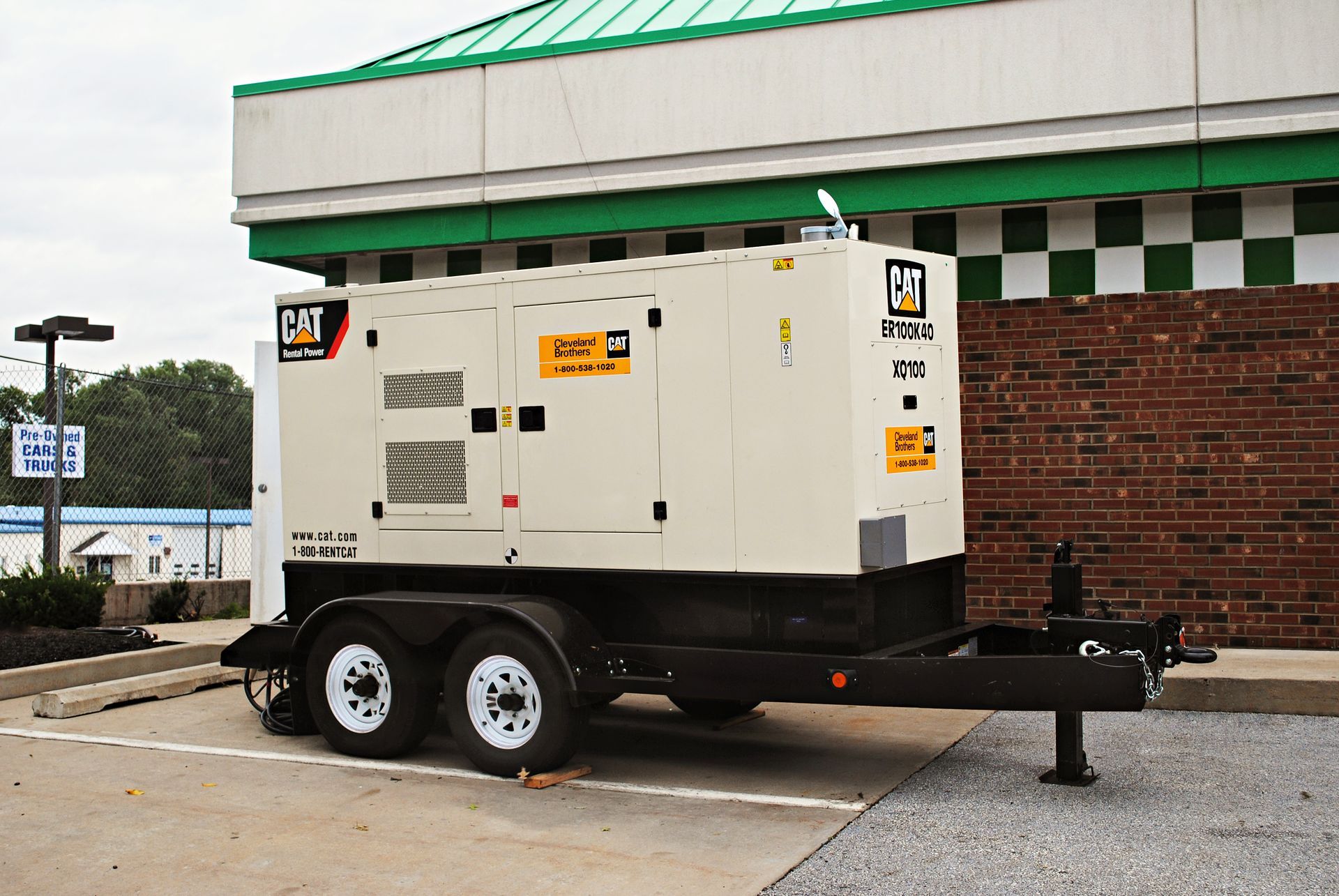
Industrial commercial generators are designed to manage substantial power loads, making them an excellent choice for industries and large-scale businesses. Capable of providing high volumes of power for extended periods, these generators are often employed in manufacturing, data centers, and large office buildings. Due to their durability, they are capable of enduring harsh conditions and still operate efficiently. Although they come with higher costs, their reliability and capacity make them an invaluable investment for critical and continuous power supply needs. As industries continue to expand, industrial generators are predicted to see increasing demand, as evidenced by market trends.
Calculating Power Output Requirements
Understanding Kilowatts (kW) and Kilovolt-Amperes (kVA)
When calculating power output requirements, understanding the units of measurement used for commercial generators is crucial. Kilowatts (kW) measure the actual power an electrical device uses, while kilovolt-amperes (kVA) represent apparent power, including the efficiency loss due to power factor. Most manufacturers list generator capacities in kVA, so recognizing this is essential to ensure your generator can meet your actual power needs. Generally, it's important to consider both numbers to ensure your generator can operate effectively under all circumstances. A thorough understanding of these measurements can prevent purchasing a generator that cannot support your business’s actual load.
Calculate Starting and Running Watts
Determining the starting and running watts of all essential equipment helps define the generator's capacity needs. Starting watts refer to the initial surge of power required to start motors, while running watts are the continuous amount needed to keep them operational. Many commercial generators are rated based on running watts, so it's crucial to ensure starting watts don’t exceed the generator's capacity. By calculating these parameters precisely, businesses can avoid short-circuiting or overloading the generator, which could lead to equipment damage. Proper calculations also guarantee that production and operational efficiency remain uninterrupted, protecting business continuity.
Use Load Calculation Tools
There are numerous load calculation tools and software available that can aid businesses in determining their accurate power requirements. These tools allow businesses to easily input equipment data and usage patterns to obtain a comprehensive analysis of their estimated load. Utilizing these resources can save time and reduce errors compared to manual calculations. Many suppliers provide access to these tools as part of their service offerings, helping businesses make informed decisions. Moreover, by leveraging technology, businesses can adapt to changing needs over time by recalibrating scenarios and requirements.
Review Case Studies of Similar Businesses
Reviewing case studies of similar businesses is an effective way to understand how they have approached generator sizing and selection. These real-world examples provide insights into challenges faced, solutions implemented, and lessons learned. Observing the outcomes of others’ experiences can help guide decisions and avoid potential pitfalls. Additionally, learning from businesses with a similar operational footprint or industry can offer a clear perspective on realistic power needs. Overall, case studies serve as valuable resources that can inform your path and result in more customized solutions that align with your unique requirements.
Selecting the right commercial generators for your business is a critical decision that directly impacts operational continuity, productivity, and long-term resilience. By carefully evaluating your essential equipment, understanding peak power demands, accounting for future growth, and determining whether you require standby or continuous power, you can make a more informed choice that supports your business's unique needs. To learn even more about the generator options available or to begin renting, call or click the Emergency Power Service today.



Share On: