
Emergency Generators 101: What to Know
In this article, we will explore everything you need to know about emergency generators to ensure you are prepared for unexpected power outages. These generators play a vital role in providing backup power during emergencies, making them an essential tool for both residential and commercial properties. As extreme weather events become more frequent, the importance of having a reliable source of backup power cannot be overstated. By learning about different types of generators and how to choose and maintain them, you can make informed decisions that protect your home or business. Additionally, understanding legal, environmental, and safety considerations ensures not only reliability but also compliance with regulations.
Understanding Emergency Generators
What Are Emergency Generators?
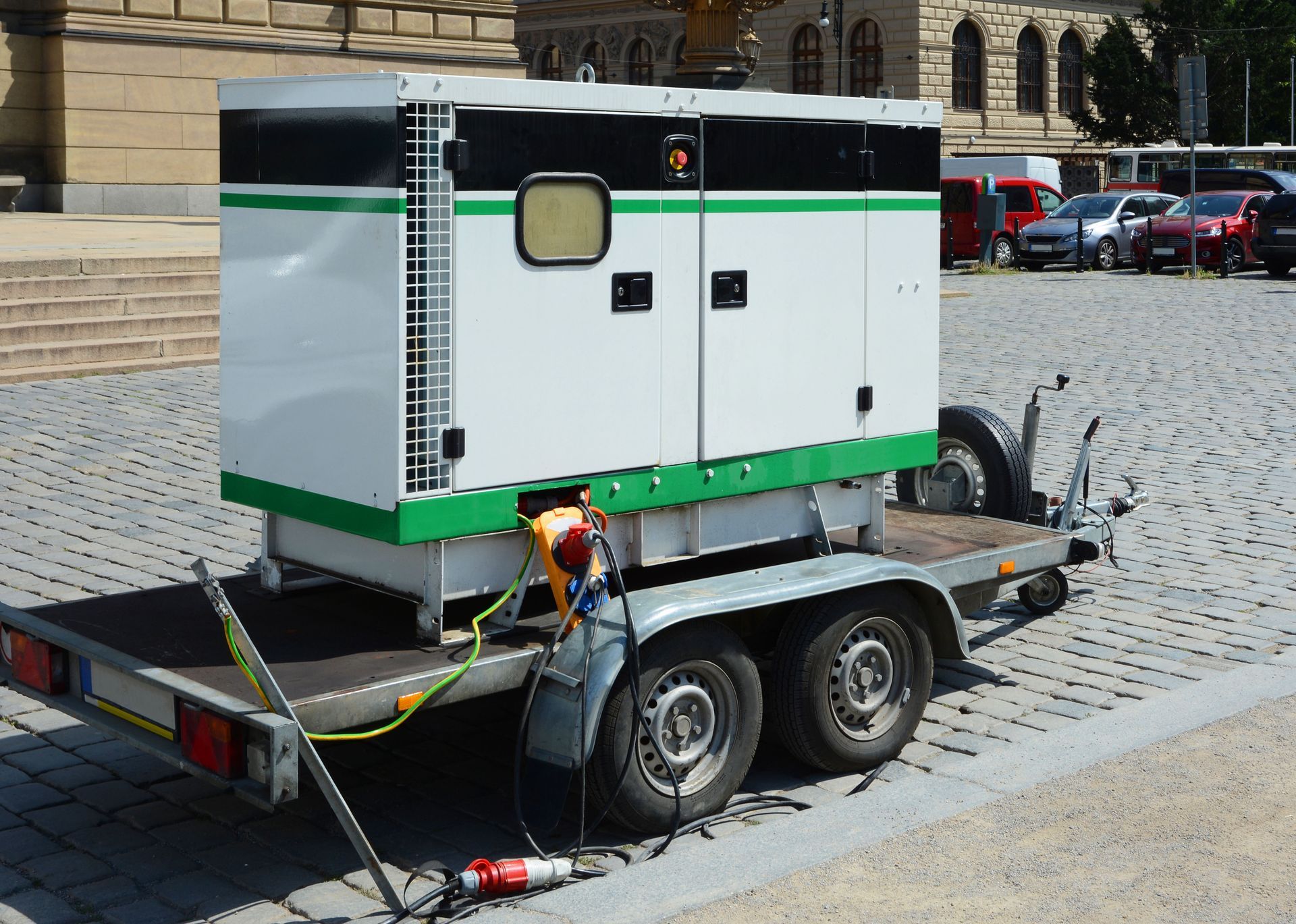
Emergency generators are devices that provide a temporary source of power during an outage. They are crucial in keeping essential appliances, systems, and equipment running when the main power supply fails. Many homes and businesses invest in generators to ensure they have reliable power access in critical situations. The primary function of these generators is to convert mechanical energy into electrical energy, which can then be used to power various loads. Understanding the specific needs and capacity of your environment will guide you in selecting the right generator.
Types of Emergency Generators
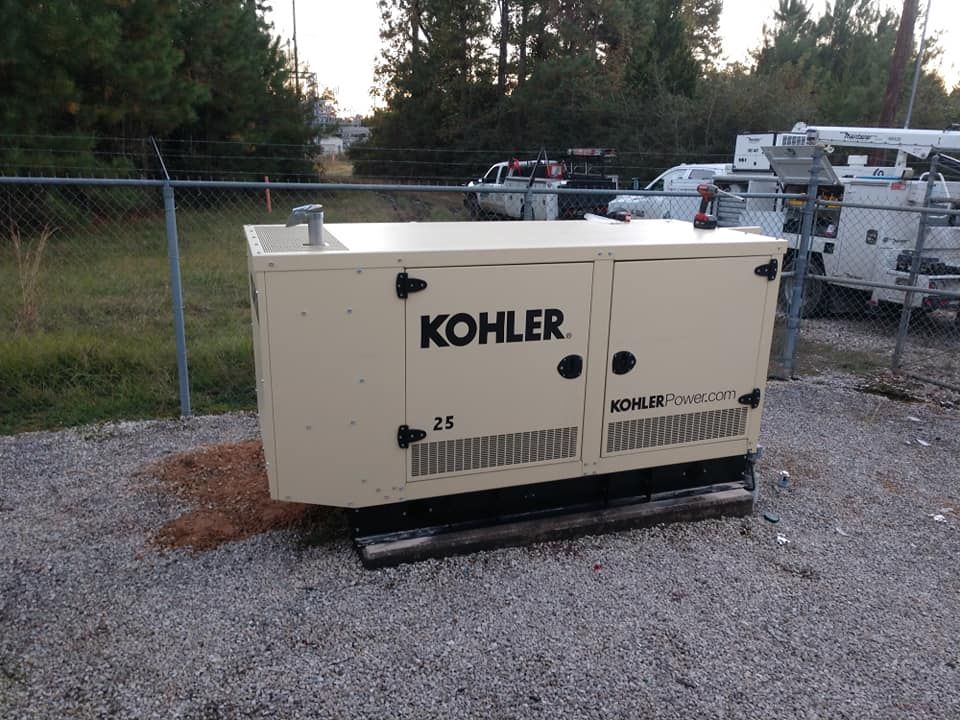
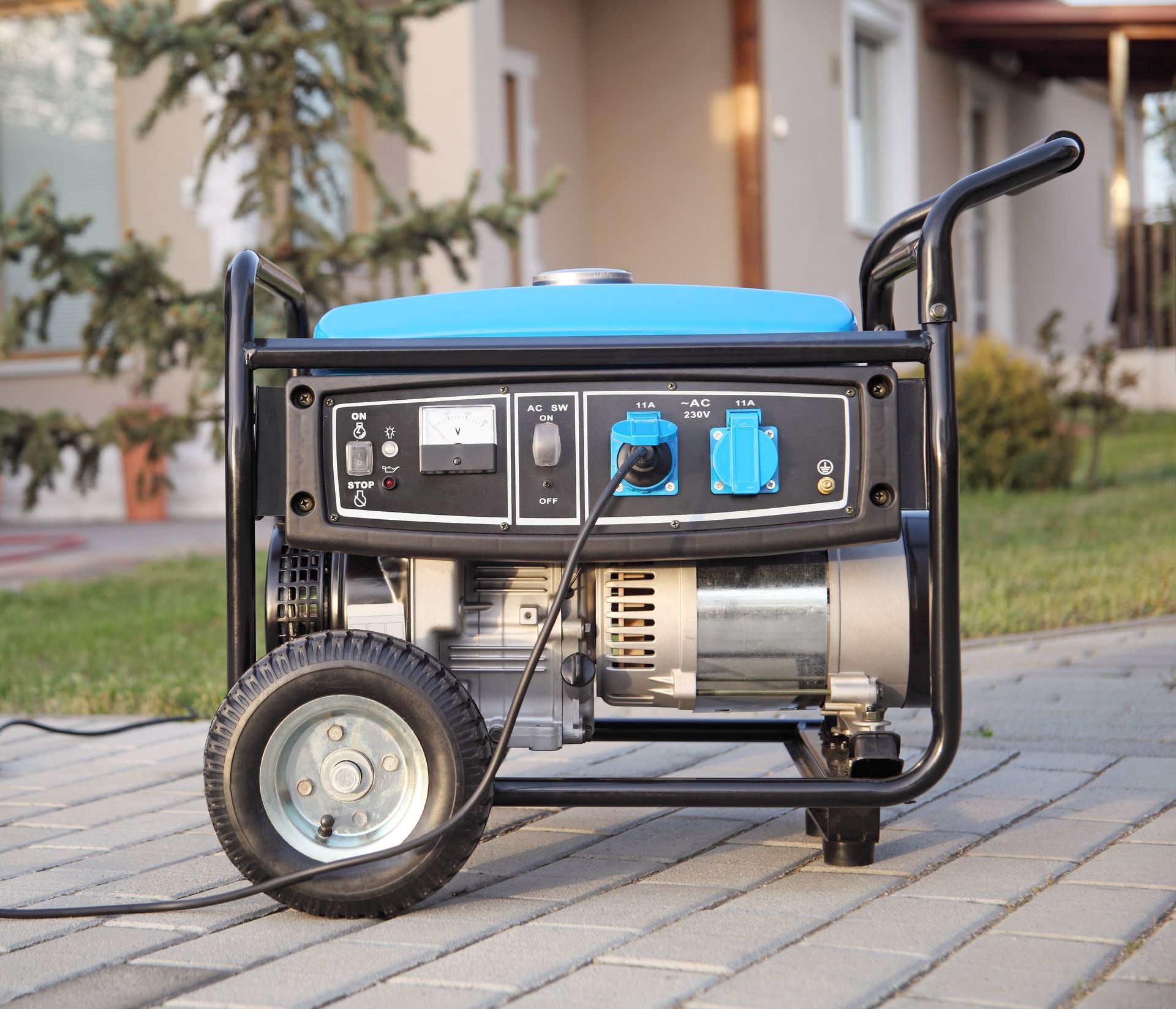
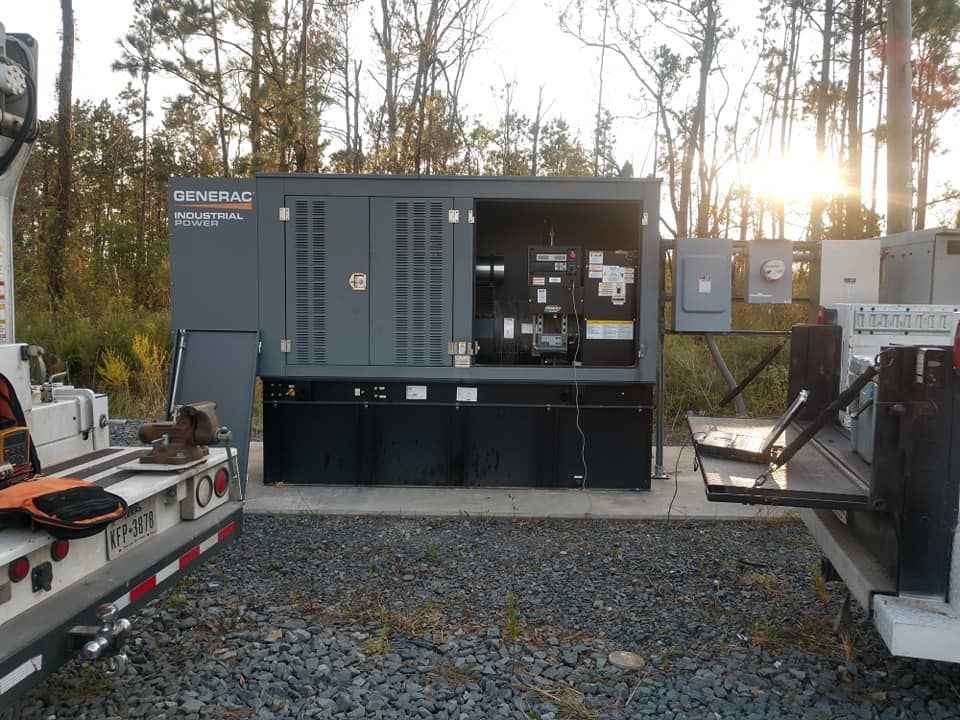
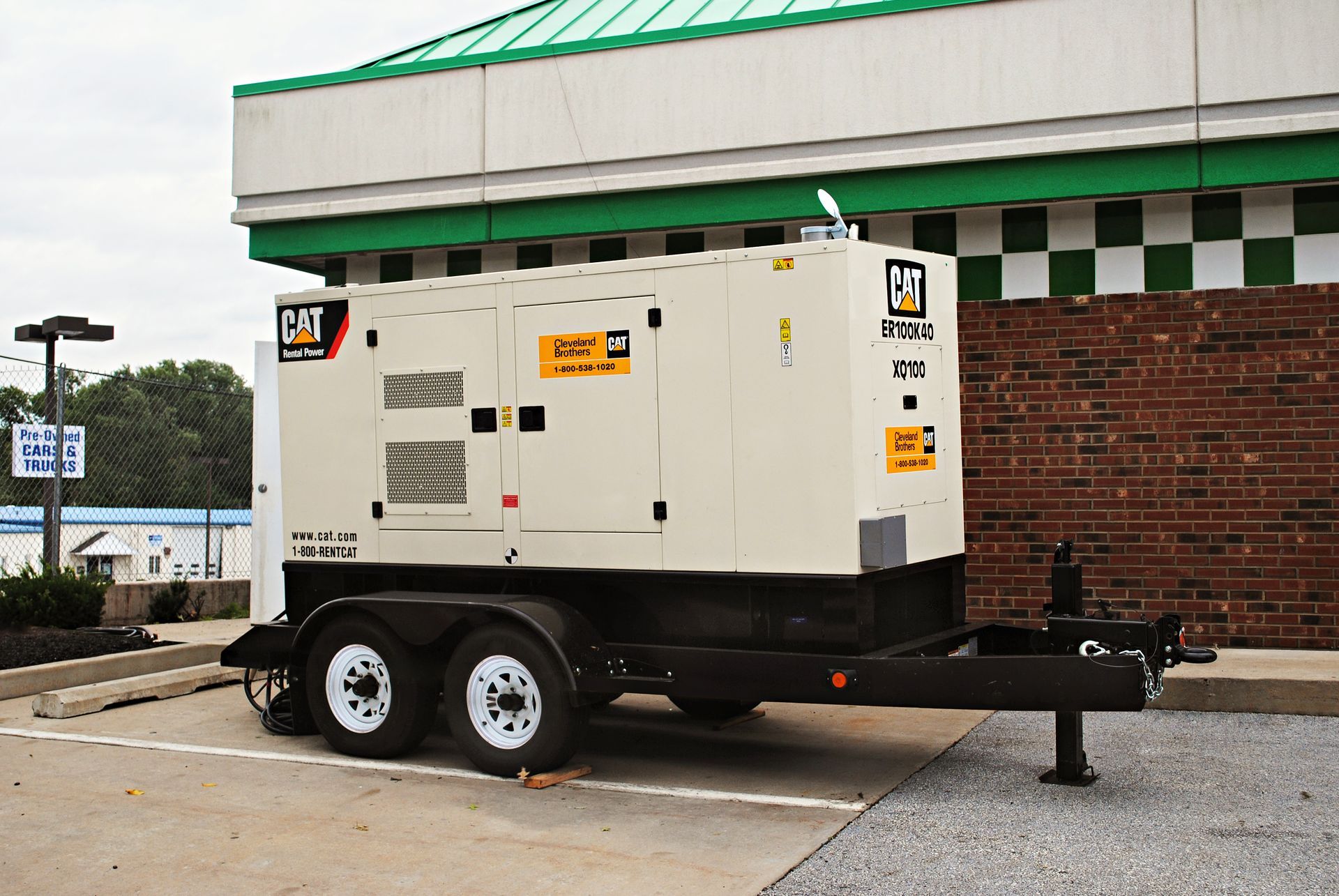
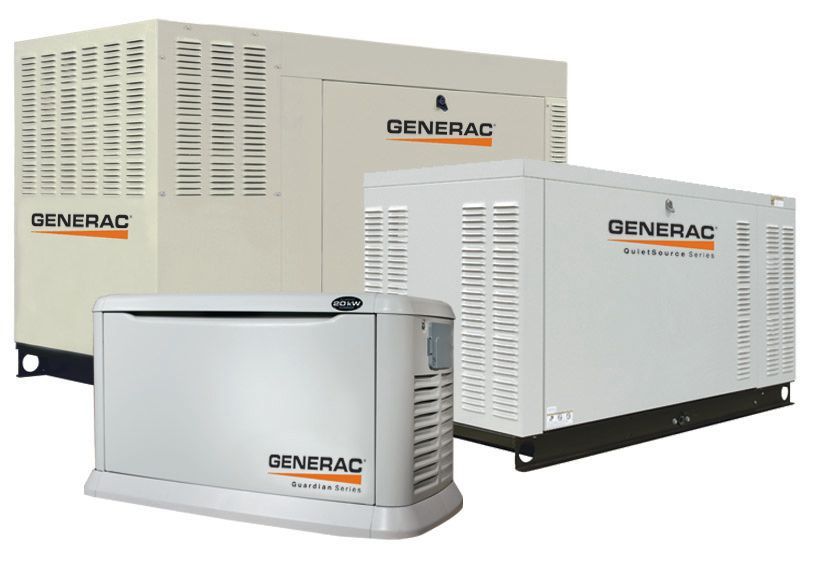
There are several types of emergency generators suited to different needs and environments. Portable generators are commonly used for temporary power needs and are known for being movable and relatively affordable. Standby generators, fitted permanently, automatically kick in during a power cut and are powered by external fuel sources. Inverter generators are quieter and more fuel-efficient, making them suitable for sensitive electronic devices. Choosing the right type depends on factors like power output, budget, and portability preferences.
How Generators Work
Generators work by converting mechanical energy into electrical energy through the use of an engine and an alternator. The engine burns fuel such as gasoline, diesel, or propane, generating mechanical energy. This energy spins the alternator’s rotor, inducing a voltage in the stator windings, thus producing electricity. Understanding the mechanics of generators can be incredibly helpful when troubleshooting problems or seeking to optimize their efficiency. Maintenance practices like regular oil changes and air filter replacements can significantly affect a generator's performance and longevity.
Key Components of Generators
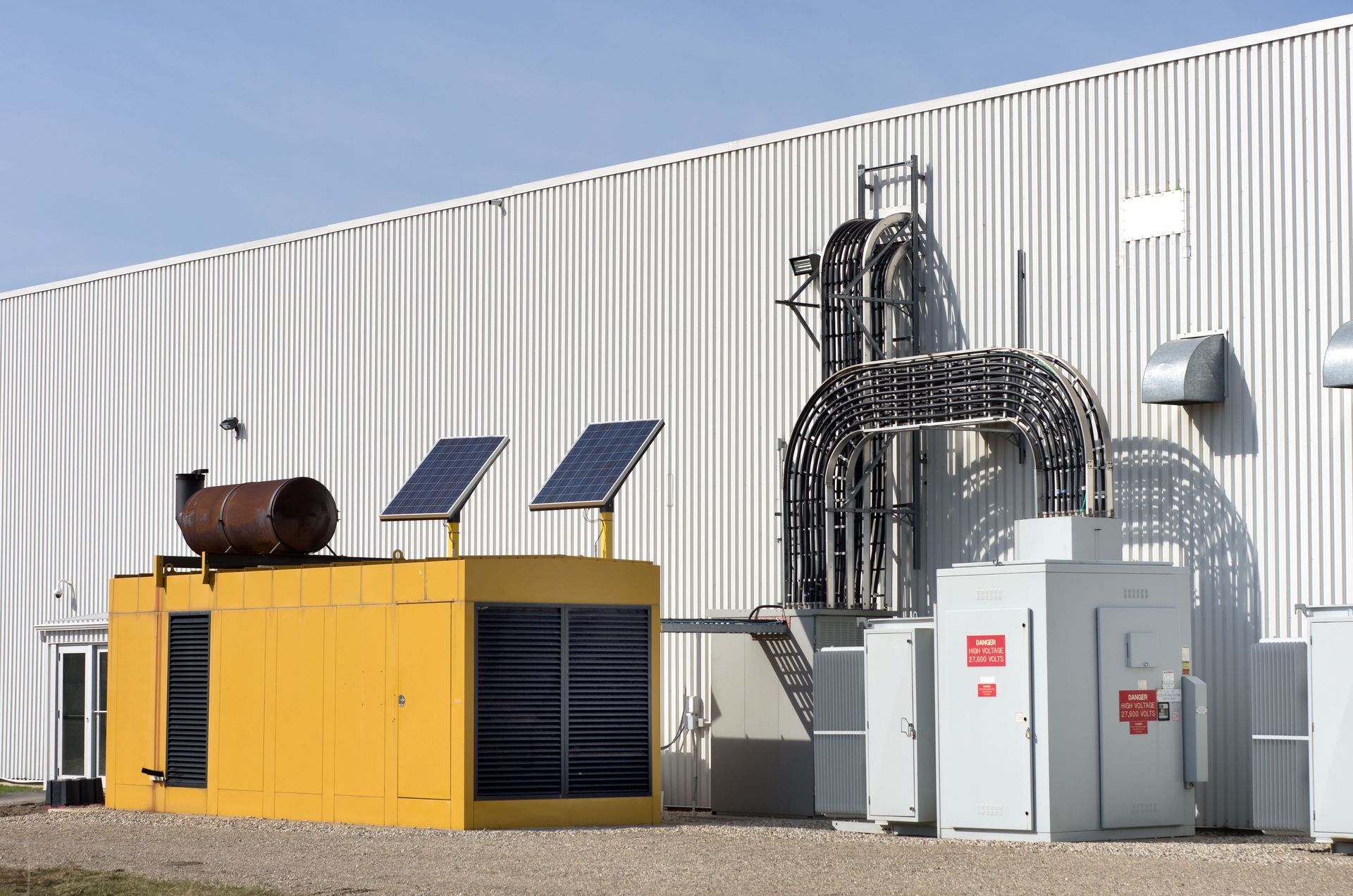
A generator is composed of several key components that work together to produce electricity. The engine is the powerhouse of the generator, responsible for supplying the mechanical energy. The alternator converts this mechanical energy into electrical energy, which can be used to power devices. Control panels are vital for managing various operational aspects and alerts of a generator. Other important components include the fuel system, lubrication system, and cooling and exhaust systems.
Common Uses for Generators
Emergency generators are used in a variety of contexts to ensure continuous power supply. In homes, generators can keep essentials like refrigerators, heaters, and lights on during a power outage. Businesses may depend on them to protect data centers, refrigeration, and critical operations from interruption. Hospitals and emergency services rely on generators for lifesaving equipment and backup power. In construction, portable generators are used for lighting and powering tools in remote locations.
Choosing the Right Generator
Assessing Your Power Needs
Before selecting a generator, it's crucial to assess your power needs to ensure it can handle the required load. Determine which appliances and systems are essential during a power outage, and calculate their total wattage. According to Statista, the average U.S. home uses 11,000 kWh of electricity every year, translating to roughly 31 kWh per day. Knowing this can help scale your needs for both emergency and prolonged outages. Proper assessment ensures that you purchase a generator that not only meets your demand but operates efficiently and safely.
Fuel Types and Their Pros and Cons
Generators can be powered by various fuels, each with its advantages and limitations. Diesel generators tend to be fuel-efficient and durable but can be louder and more expensive. Gasoline is widely available and affordable but doesn't store well over long periods and has higher emissions. Propane is clean-burning and stores indefinitely, yet it can be more costly and is less energy-dense. Natural gas generators are convenient if you have a gas line, providing continuous fuel but requiring careful planning for installation.
Size and Portability Considerations
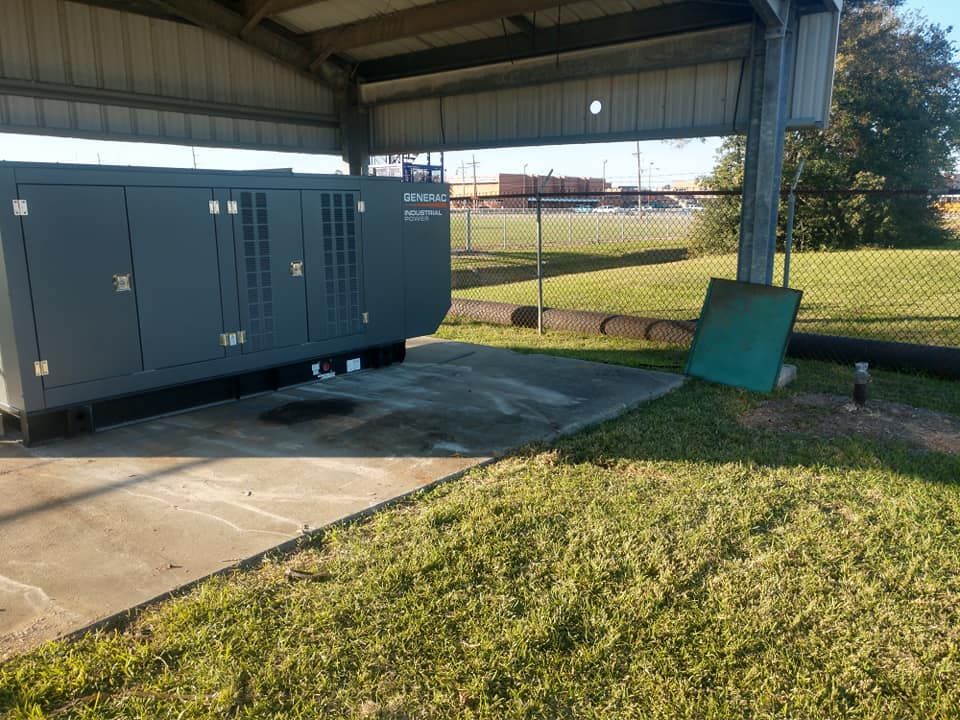
The size and portability of a generator should align with intended use and available space. Portability matters if you plan to use the generator in different locations or for outdoor activities. Smaller portable generators are easier to maneuver but may offer less power output. Large standby generators can deliver consistent power to an entire home but require professional installation and more space. Consider your specific power needs, spatial restrictions, and how often you move the generator when making your choice.
Brand Comparison and Reliability
When selecting a generator, consider the brand's reputation and reliability based on reviews and consumer reports. Well-known brands often offer better customer support, widespread service centers, and proven performance records. Reliability is critical, as the last thing you want during a power outage is for a backup generator to fail. Evaluate factors like warranty terms, fuel efficiency, and ease of maintenance. Brands with a solid history of reliability provide peace of mind that your generator will function when you need it most.
Cost and Budget Considerations
Generator prices can vary widely, depending on type, power output, and features. Set a budget that balances affordability with reliability and long-term efficiency. Standby generators are a significant investment, ranging from a few thousand to tens of thousands of dollars, including installation. Portable generators are generally more budget-friendly but might not include automatic operation or high power outputs. Consider both the initial purchase price and ongoing operational costs, such as fuel, maintenance, and repairs, in your budget plan.
Installation and Setup
Site Selection and Preparation
The location for installing your generator is crucial for efficiency and safety. Choose a flat, stable surface away from open windows, doors, and combustible materials to minimize risks. Proper placement also involves considering access to a fuel supply and ease of maintenance. Ensure the installation site complies with local regulations and manufacturer guidelines, providing adequate ventilation and clearance. Adequate preparation before installation avoids future complications and maximizes the generator's performance.
Professional vs DIY Installation
Deciding between professional installation and a DIY approach depends on your technical expertise and the generator type. Professional installation is highly recommended for standby generators due to their complexity and the need for electrical connections. This ensures compliance with safety standards and provides warranties. A DIY approach might be feasible for portable generators, but it's crucial to follow detailed instructions closely. The complexity and risks of incorrect installation often make professional services worth the investment for larger systems.
Summarizing the key points discussed, it's evident that having a comprehensive understanding of emergency generators is crucial for effective preparedness and response. From selecting the right type and ensuring proper installation to maintaining compliance with regulations and planning for emergency operations, each step reinforces security and readiness. As the demand for sustainable solutions grows, exploring eco-friendly alternatives and leveraging technological advancements present promising avenues for future resilience. Diligent preparation, informed choices, and a commitment to operational excellence are the cornerstone of ensuring safety and continuity during power outages. By investing in the knowledge and tools discussed here, individuals and businesses alike can fortify their capabilities to handle unexpected disruptions and maintain a stable environment. Be sure to reach out to Emergency Power Service today to learn more about our professional
emergency generators!


Share On: