
Powering a Worksite on the Move With Industrial Generators
Construction projects, infrastructure improvements, and remote work assignments often take place far from dependable electrical connections. Crews may need electricity for lighting, specialized equipment, temporary offices, and essential support systems while working across changing locations. Reliable power helps keep these activities organized, supports worker productivity, and allows project teams to maintain schedules as site conditions evolve. Careful planning is especially important when equipment and personnel move from one work area to another.
Industrial generators can support these demands by providing electricity where utility connections are unavailable, delayed, or impractical. Choosing an appropriate system requires an understanding of the worksite, expected electrical loads, operating conditions, and duration of use. With professional guidance and a suitable power plan, businesses can prepare for changing job requirements while maintaining a dependable source of electricity throughout the project.
Understanding the Power Needs of a Mobile Worksite
Every mobile worksite has its own electrical demands. A small maintenance crew may need power for task lighting, charging stations, and a limited selection of tools. A larger construction project may require electricity for pumps, compressors, welding equipment, temporary facilities, and multiple work zones. The equipment used, the number of workers, and the daily operating schedule all influence the amount of power required.
Before selecting a generator, project managers should identify which systems need electricity at the same time. Equipment nameplates and manufacturer specifications can help qualified professionals determine operating loads and starting requirements. Motors and other equipment may draw more current during startup than they use during normal operation, so estimating demand from running wattage alone may leave a system undersized.
Future needs also deserve attention. A worksite may expand as additional crews arrive or a project moves into a more demanding phase. Planning for reasonable changes can help avoid power shortages and unnecessary equipment changes later. However, selecting a unit that is much larger than the actual requirement may create inefficiencies. A balanced assessment helps align generator capacity with the work being performed.
Selecting Equipment for Changing Site Conditions
Mobility affects more than how a generator reaches a jobsite. Equipment must also suit the terrain, available space, weather exposure, and conditions in which it will operate. A project on a developed commercial property may have different requirements from a road improvement project, a rural installation, or emergency repair work in an isolated location.
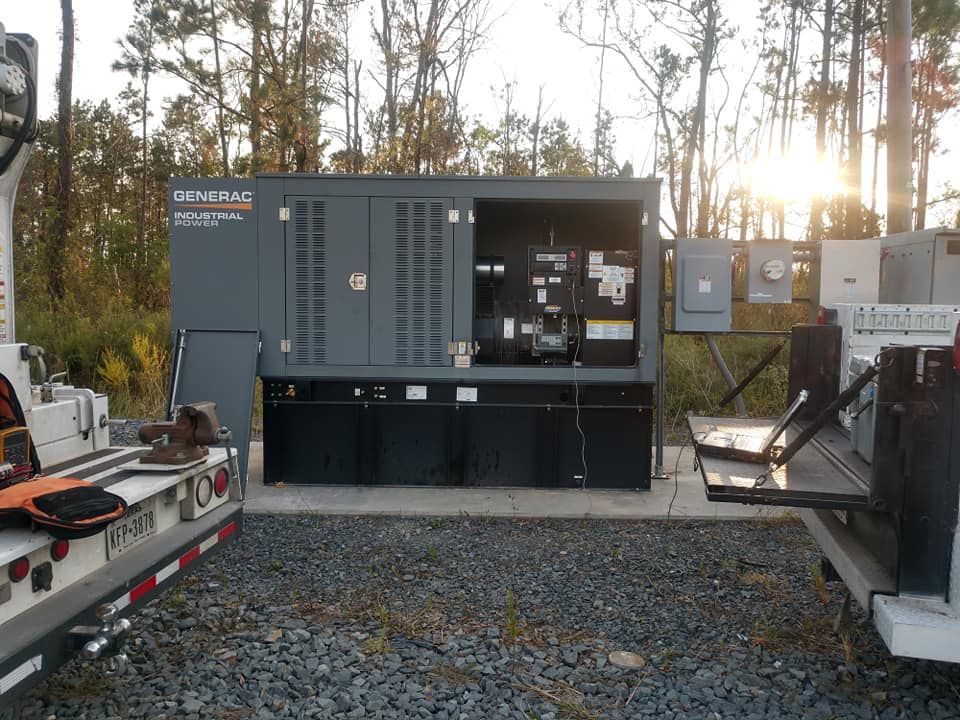
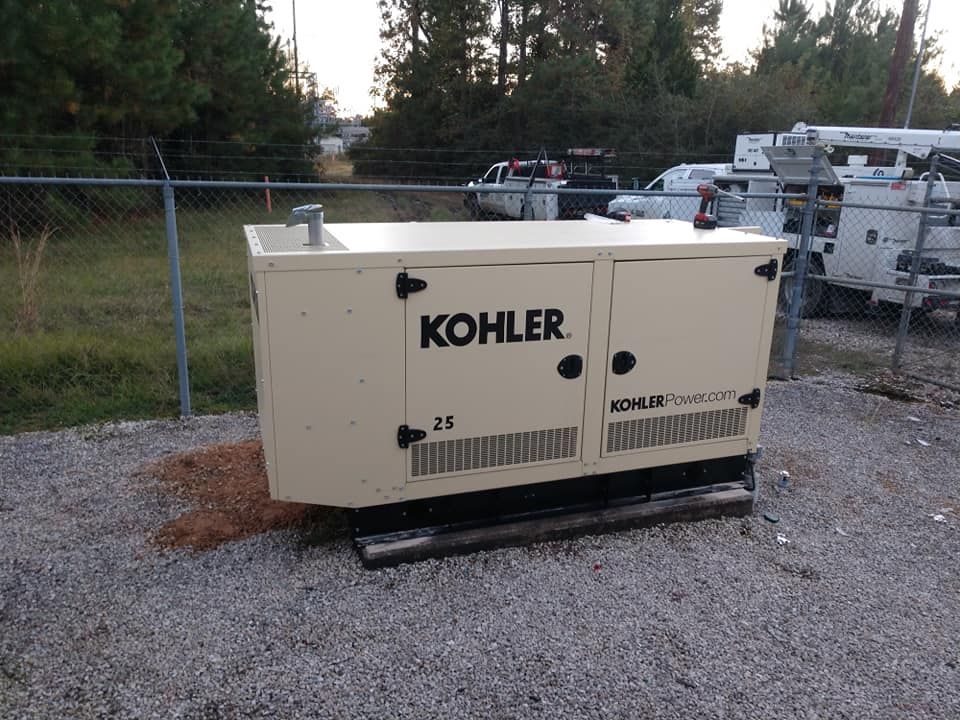
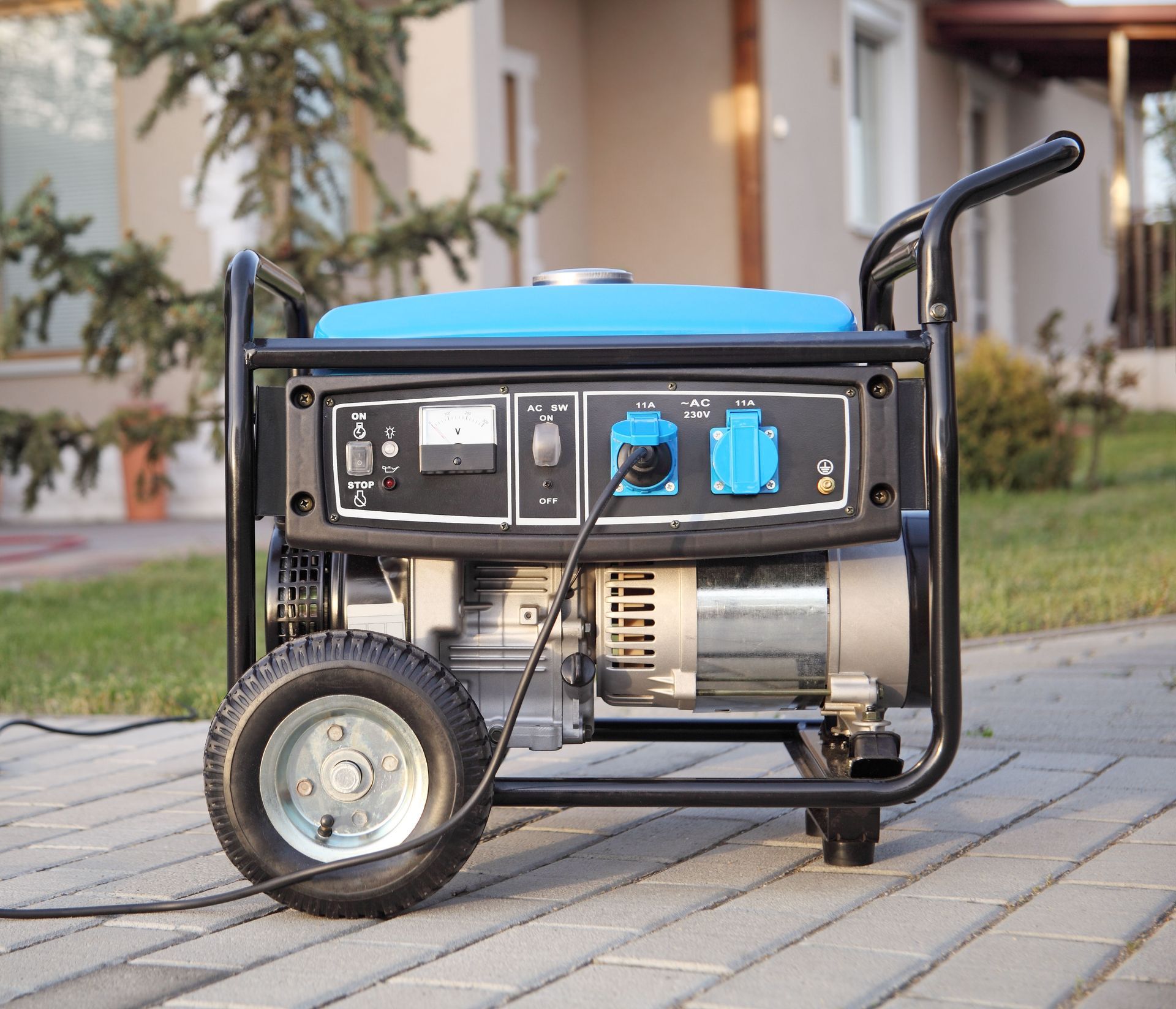
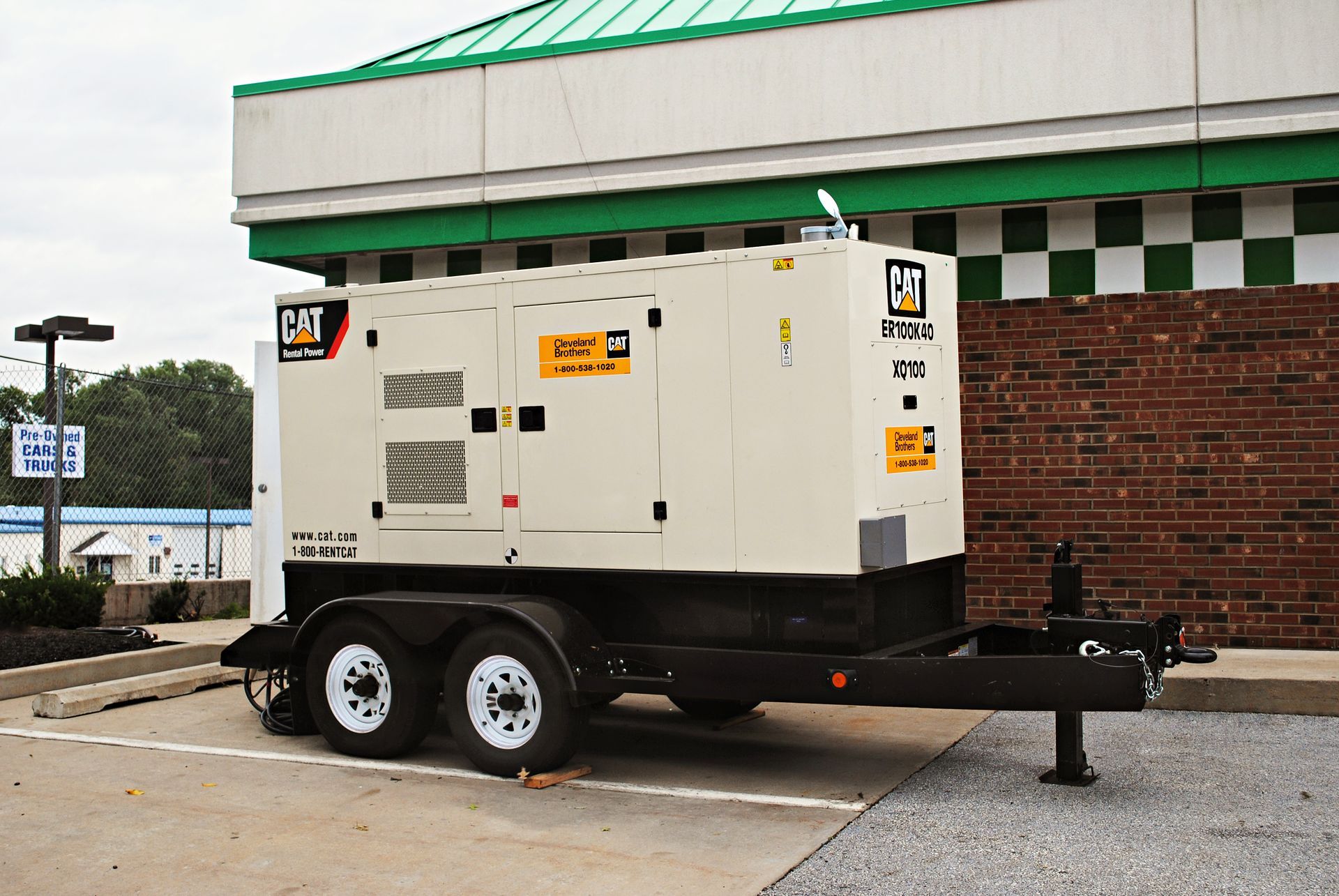
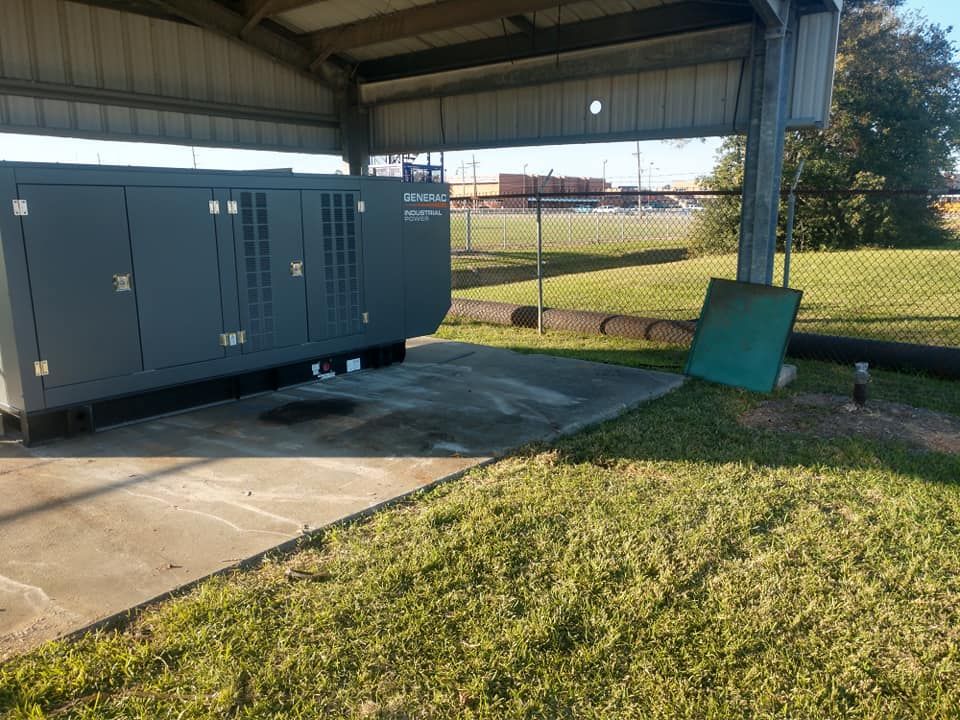
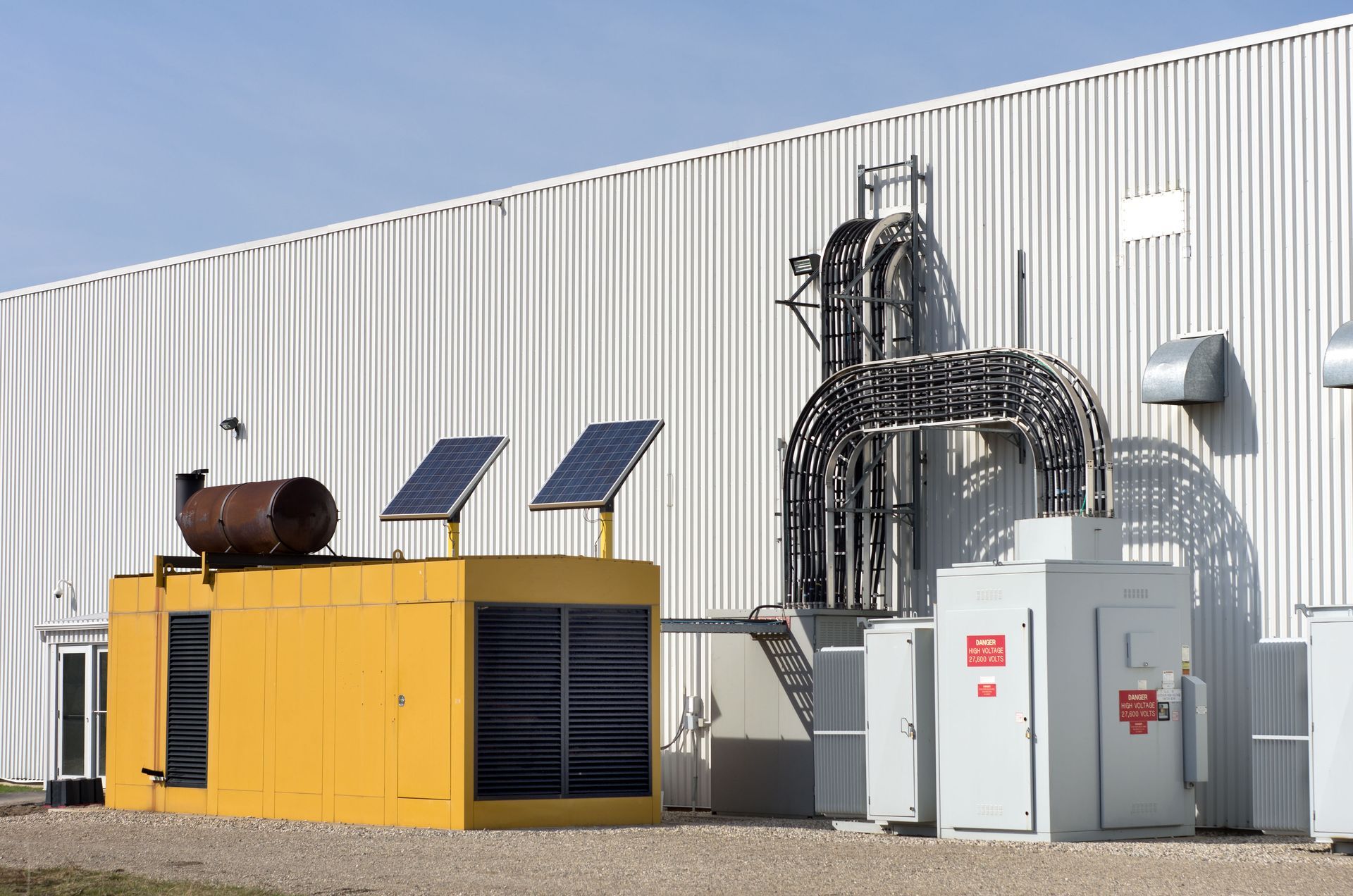
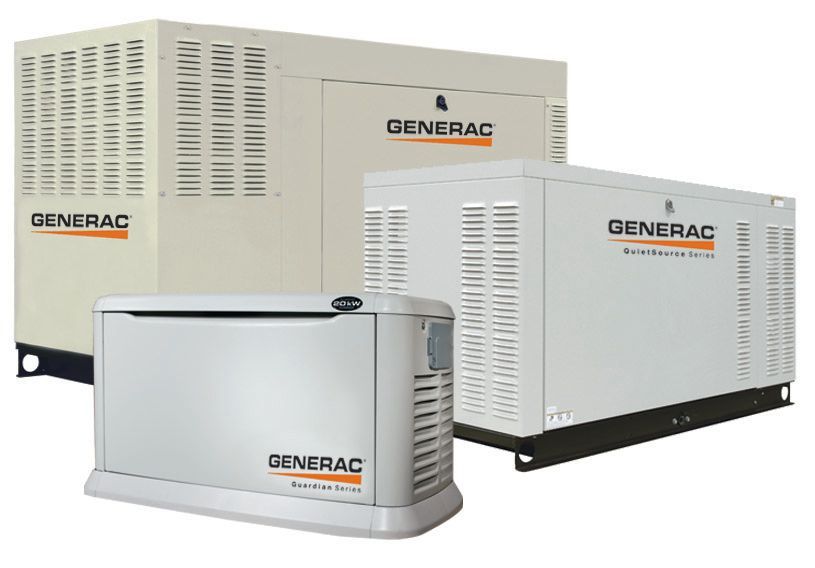
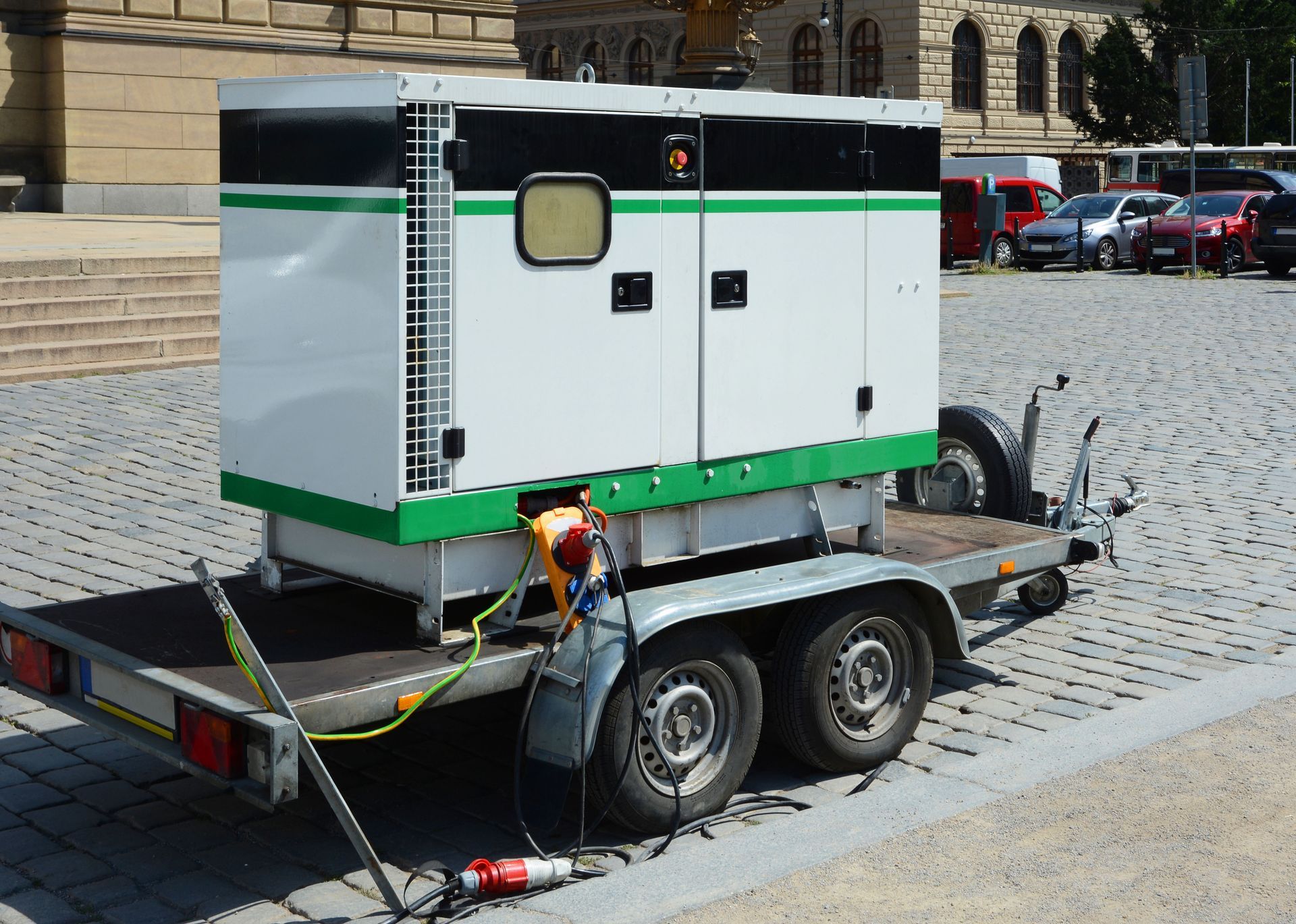
Industrial generators are available in configurations intended for different power demands and installation arrangements. Depending on the application, a project may use a portable unit, a trailer-mounted system, or a larger stationary installation that serves a designated work area. The right configuration depends on capacity, transportation requirements, operating duration, and the practicalities of placing the equipment safely.
Access should be considered before delivery. Narrow roads, soft ground, overhead obstructions, and limited staging areas can affect where equipment can be positioned. A suitable placement plan helps crews account for vehicle movement, maintenance access, ventilation, and the distance between the generator and connected loads. When sites change frequently, coordinating transportation and setup in advance can reduce delays between project phases.
Environmental conditions also influence equipment selection. Dust, moisture, temperature changes, and exposure to precipitation can affect performance if the system is not suited to the setting. Seasonal planning matters on outdoor worksites, where summer heat, autumn storms, winter cold, or spring rainfall may change operating conditions. Qualified providers can help assess these considerations before equipment is deployed.
Planning Fuel Supply and Operating Time
Fuel availability is a central consideration when a worksite operates away from established infrastructure. A generator may need to supply power for a full shift, overnight operations, or several consecutive days. Fuel consumption varies according to the unit, electrical load, operating conditions, and fuel type, making it important to estimate requirements based on the intended application rather than relying on a general assumption.
According to Future Market Insights, diesel generator sales are increasing at a compound annual growth rate of 3.8%, reflecting continued demand for this type of power equipment. Diesel-powered systems are used in many applications where dependable electricity is important, including construction, industrial operations, and temporary facilities. The appropriate choice still depends on site requirements, applicable emissions rules, fuel availability, and the operating characteristics of the equipment.
Coordinating fuel deliveries with work schedules helps prevent interruptions, especially at remote sites with limited storage. Fuel must be handled safely to reduce fire and spill risks. When assessing industrial generators, professionals consider power demand, runtime, consumption, and refueling needs to support dependable operation throughout the project.
Coordinating Power Distribution Across Work Areas
Supplying electricity to a mobile worksite involves more than placing a generator nearby. Power must reach the equipment that needs it through a suitable distribution arrangement. The layout should account for cable lengths, electrical loads, environmental exposure, vehicle routes, and the movement of workers around the site.
Temporary distribution equipment needs to be appropriate for the expected load and conditions. Qualified electrical professionals can determine suitable connections, protective devices, grounding arrangements, and cable specifications for the installation. These considerations are particularly important when multiple pieces of equipment operate simultaneously or when a worksite expands into additional areas.
A well-organized layout keeps cables clear of traffic and reduces trip hazards. Teams should coordinate equipment relocations to prevent damage and maintain safe access. Properly sized industrial generators can serve multiple work zones, but startup demands, simultaneous equipment use, and distribution capacity must be assessed to ensure reliable power delivery.
Maintaining Reliable Performance During the Project
A mobile power system must remain dependable as work continues and conditions change. Regular inspections and maintenance help identify issues that could affect performance, while following the manufacturer's service schedule supports reliable operation. Maintenance requirements vary by model, operating hours, fuel type, and environmental conditions, so servicing should follow the applicable equipment guidance.
Dusty worksites may require particular attention to air filtration, while extended operation can make routine fluid checks and scheduled servicing especially important. Extreme temperatures can also affect starting, cooling, and overall performance. These conditions should be considered when developing a maintenance plan, especially for projects that run through changing seasons or operate far from service facilities.
Qualified personnel should handle maintenance, while project teams monitor runtime, report warning signs, and arrange timely service. Selecting industrial generators suited to operating conditions simplifies maintenance planning. Access to technical support, replacement parts, and service professionals is especially important for remote worksites where equipment problems could disrupt schedules.
Prioritizing Safety Around Temporary Power Equipment
Safety planning is essential wherever generators supply electricity. Equipment must be positioned and operated according to manufacturer instructions and applicable requirements. Adequate ventilation is critical because fuel-powered generators produce exhaust containing carbon monoxide, a poisonous gas that can cause serious injury or death. They should never be operated in enclosed or inadequately ventilated spaces, including garages, sheds, and other confined areas.
Placement should also account for fire prevention, weather exposure, and access for authorized personnel. Exhaust outlets must be directed away from occupied areas and air intakes, while hot surfaces and fuel systems should be kept clear of combustible materials. Where rain, snow, or standing water may affect the site, equipment must be installed and protected in a manner suitable for those conditions.
Safe electrical connections help prevent shocks, equipment damage, and dangerous backfeeding. Qualified professionals should handle installations and connections. A safety plan for industrial generators should define operating, inspection, refueling, and emergency procedures. Matching capacity to demand, planning fuel supply, coordinating distribution, and scheduling maintenance help reduce interruptions, especially at remote worksites with changing conditions.
Emergency Power Service can help businesses evaluate their temporary power needs and identify suitable options for demanding work environments. Contact Emergency Power Service to learn more and discuss power solutions for your next project.


Share On: