
Mass Power in a Small Unit: The Emergency Generator
Power outages can happen with little warning, leaving homes and businesses without the electricity needed to maintain essential systems. Severe weather, equipment failures, utility problems, and unexpected infrastructure damage can all interrupt electrical service. While some outages are brief inconveniences, others can last long enough to affect comfort, safety, productivity, and access to important equipment. Having a dependable backup power source can make these disruptions far easier to manage.
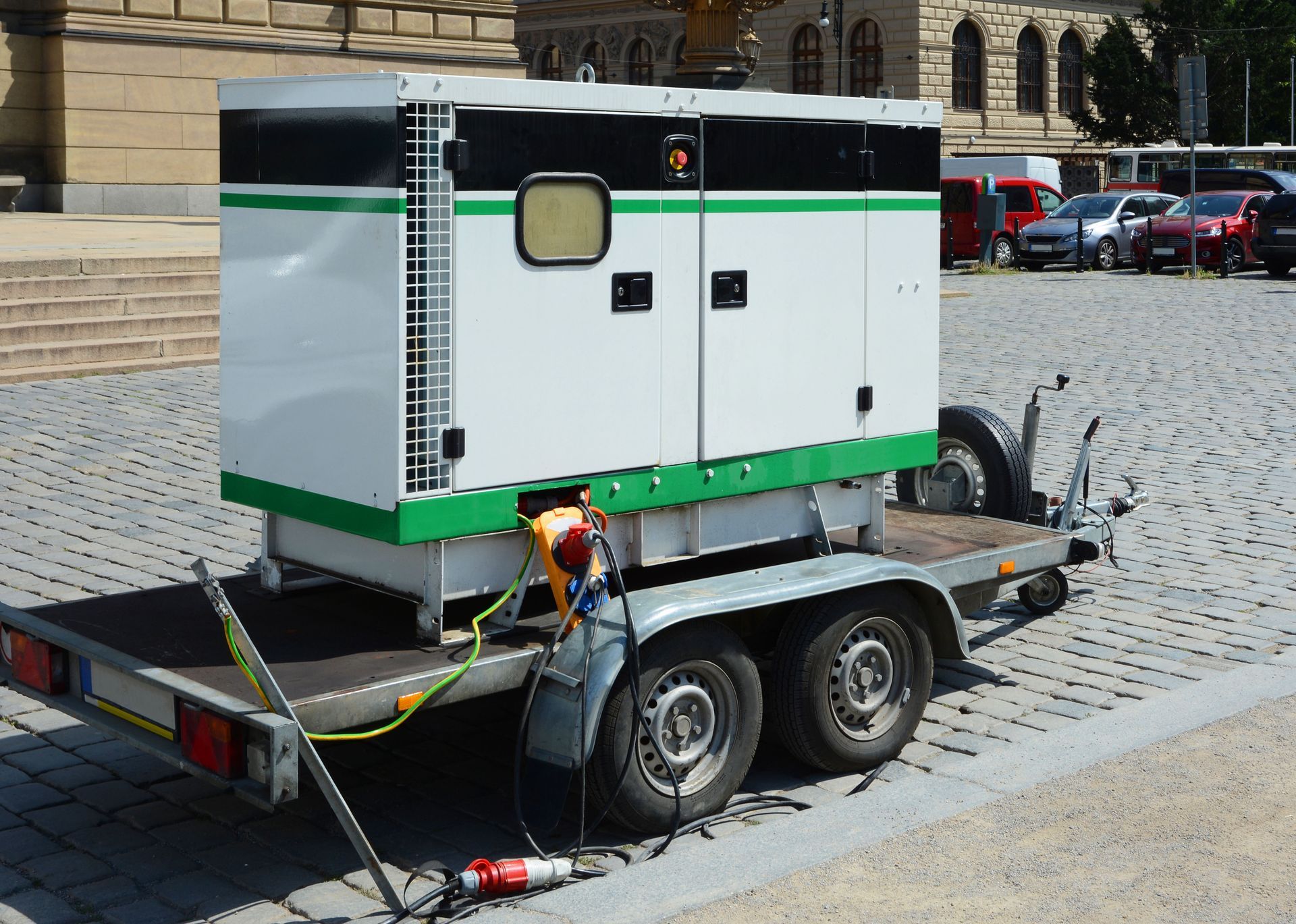
An emergency generator provides an alternative source of electricity when the normal utility supply becomes unavailable. Rather than leaving an entire property dependent on the restoration of the electrical grid, a properly selected generator can support important appliances, systems, and equipment. Modern units are designed to provide substantial power while fitting into a relatively compact installation area, making them practical for many residential and commercial properties.
Understanding How Backup Power Supports Essential Systems
A generator is designed to produce electricity independently from the utility grid. When normal electrical service is interrupted, backup power can help keep selected equipment operating until utility service returns. Depending on the generator’s capacity and the electrical demands of the property, this could include lighting, refrigeration, heating or cooling equipment, communications systems, security equipment, pumps, and other essential loads.
The amount of equipment an emergency generator can support depends heavily on how the system is sized. Different properties have different electrical requirements, which means generator selection should be based on actual power demands rather than assumptions. A small residence with limited essential loads may have very different needs from a large home, office, medical facility, retail property, or industrial operation.
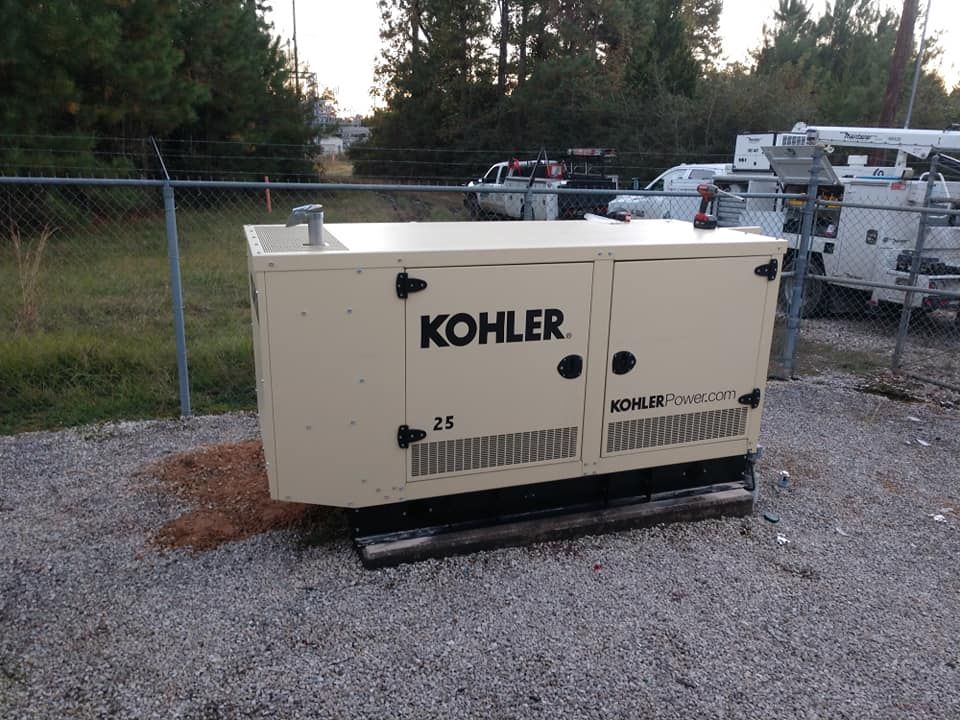
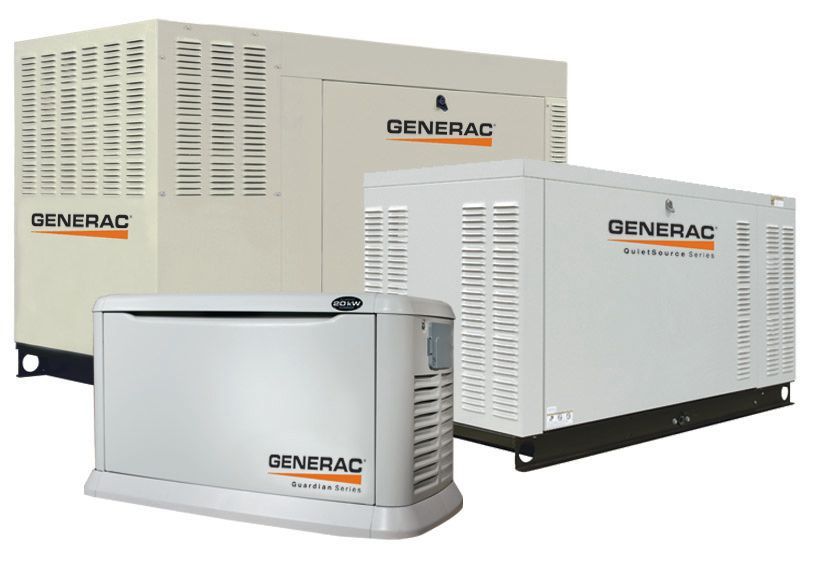
Generator capacity can also be greater than some property owners expect. For example, according to HomeGuide, large 20kW standby generators can generally supply enough electricity to power an entire house. This illustrates how substantial power can be delivered from equipment that may occupy only a relatively modest amount of exterior space. Capacity alone, however, does not determine whether a system is appropriate. Electrical configuration, fuel availability, installation conditions, and anticipated loads also require careful consideration.
Understanding How Automatic Operation Improves Preparedness
One of the major advantages of standby backup power is the ability to respond automatically when utility electricity is lost. A properly configured system can detect a power interruption and begin supplying electricity without requiring someone to manually start portable equipment. This feature can be particularly valuable when an outage happens overnight, during severe weather, or while occupants are away from the property.
Automatic operation allows an emergency generator to become part of a broader preparedness strategy rather than equipment that must be located, positioned, and started after an outage has already begun. This can reduce the disruption associated with sudden power loss and help essential electrical loads resume operation promptly.
Understanding How Proper Sizing Protects Performance
Generator sizing is an important part of planning a backup power system. Selecting equipment that is too small for the intended electrical load can prevent the system from supporting everything expected of it. At the same time, choosing equipment without carefully evaluating actual needs can lead to unnecessary capacity and an installation that is not appropriately matched to the property.
A professional evaluation can identify which electrical loads should remain operational during an outage. Some owners want broad coverage throughout the property, while others prioritize only essential equipment. An emergency generator should therefore be selected based on the specific goals of the building owner and the electrical characteristics of the property.
Sizing considerations extend beyond simply identifying appliances or equipment. Certain systems can require additional power when they initially start, while others operate more consistently. Electrical demand can also vary as equipment cycles on and off. Evaluating these conditions helps ensure the generator is prepared to handle realistic operating demands rather than only an estimated average load.
Understanding How Installation Influences Dependable Operation
Even high-quality equipment depends on proper installation. Backup power systems interact with electrical infrastructure, fuel sources, transfer equipment, ventilation requirements, and other property systems. These considerations make professional installation important for dependable and safe operation.
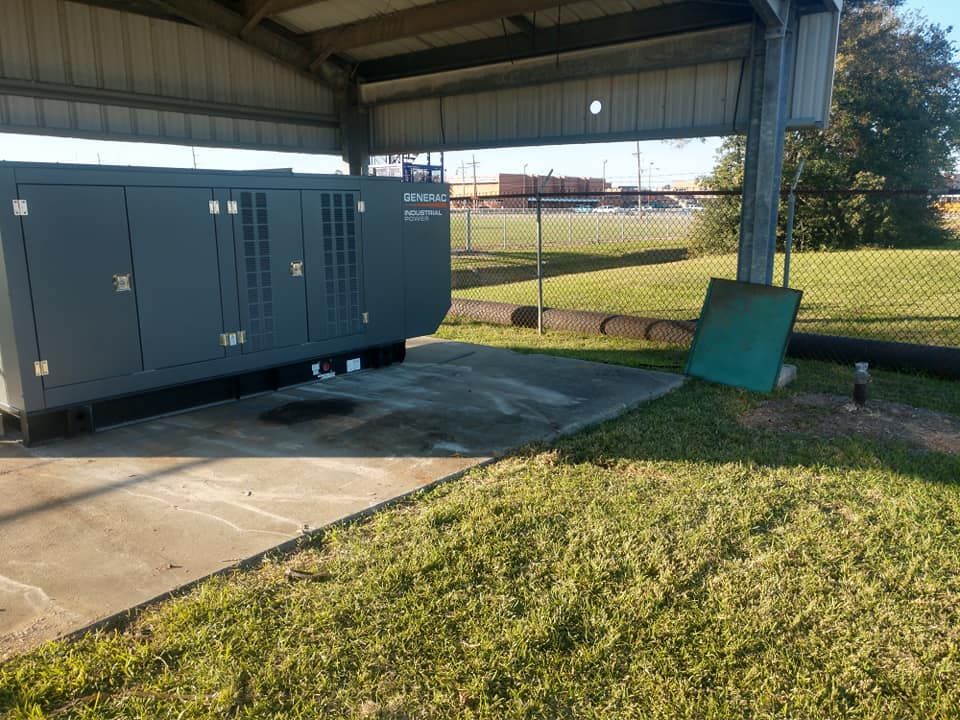
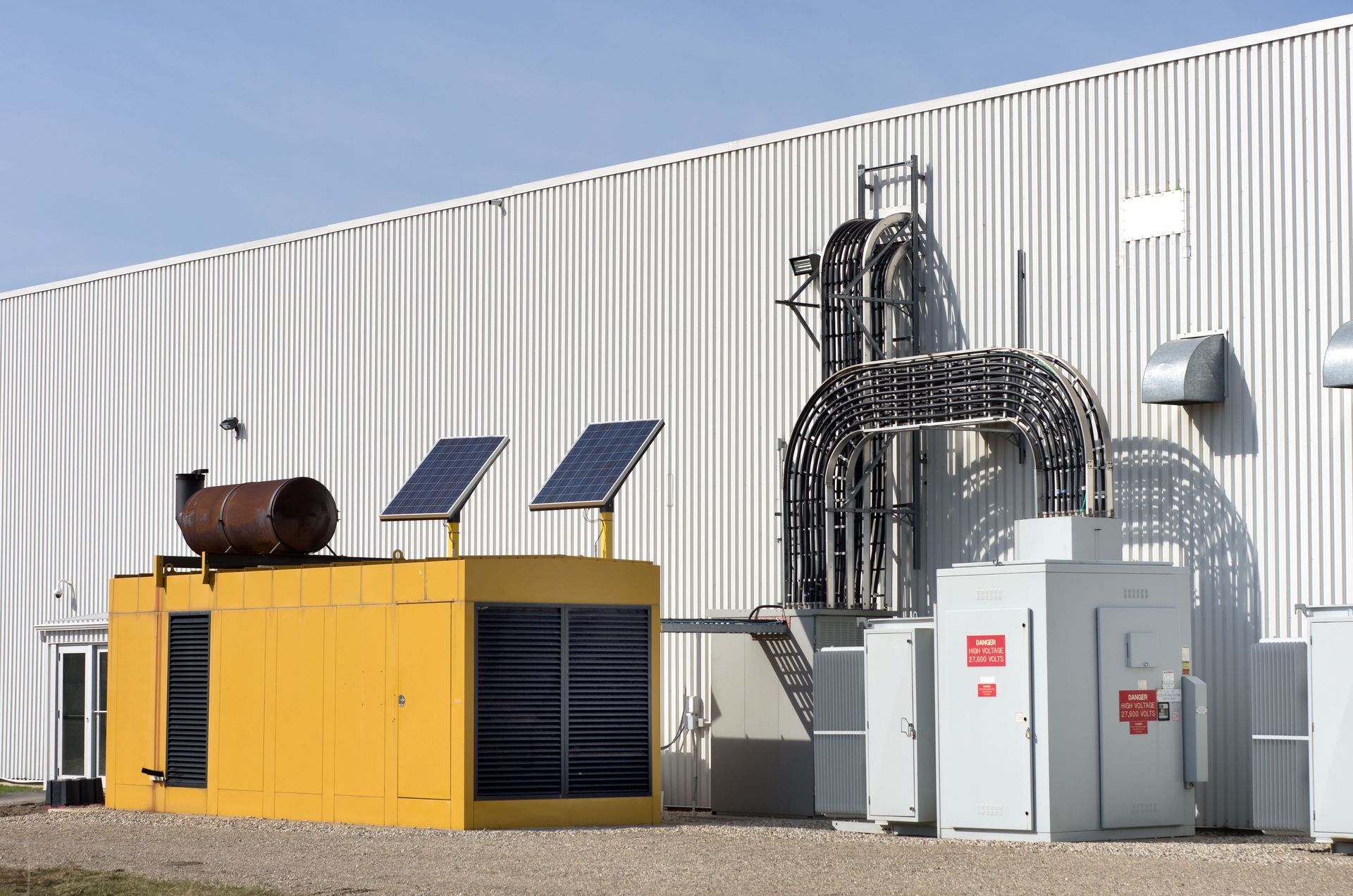
Placement is another important factor when installing an emergency generator. The equipment must be positioned with consideration for ventilation, accessibility, surrounding structures, and applicable installation requirements. The location should also allow technicians to access the system when inspections, maintenance, or repairs are necessary.
Professional installation also helps ensure that the generator works correctly with the property’s electrical system. Backup electricity must be managed in a controlled manner so that power is directed where it is needed without creating conflicts with utility service. Because generator installations involve complex electrical and mechanical considerations, professional planning can help create a system that functions as intended when an outage occurs.
Understanding How Maintenance Preserves Long-Term Readiness
Backup power equipment may spend long periods waiting for an outage, but inactivity does not eliminate the need for maintenance. A generator contains mechanical and electrical components that should remain ready to operate whenever utility power fails. Regular professional attention can help identify wear, deterioration, fluid concerns, battery issues, or other conditions before they interfere with performance.
Maintaining an emergency generator is especially important because its value depends on reliability during unexpected situations. Discovering a problem only after an outage begins can defeat the purpose of having backup power available. Routine inspections and scheduled service give technicians opportunities to evaluate system condition and address developing concerns before emergency operation becomes necessary.
Maintenance can also help owners better understand the condition of their equipment over time. As a generator ages, certain components may require additional attention or replacement. Keeping the system professionally serviced supports consistent performance and can help property owners plan for future equipment needs instead of responding only after a failure occurs.
Understanding How Backup Power Supports Different Properties
Backup power is useful in many environments because electrical outages can affect far more than lighting. In homes, interruptions may affect refrigeration, climate control, internet connectivity, security systems, pumps, and other everyday necessities. A properly planned emergency generator can help preserve important household functions while utility crews work to restore normal service.
Commercial properties may face additional consequences when electricity disappears. An outage can interrupt transactions, communications, computers, refrigeration, security equipment, manufacturing processes, or other operations. The exact consequences depend on the business, but even a relatively short interruption can create operational challenges.
Different properties therefore require different approaches to backup power. A residential system may emphasize comfort and household essentials, while a commercial installation may prioritize equipment necessary for business continuity. Evaluating these priorities before selecting equipment helps create a backup power strategy that reflects the property’s actual needs rather than relying on a generalized solution.
Understanding How Professional Support Strengthens Preparedness
A backup power system represents preparation for events that are difficult to predict. Property owners may not know when an outage will happen, how long it will last, or which systems will be most important when it occurs. Professional evaluation helps turn those uncertainties into a practical plan based on electrical demands, property conditions, and operational priorities.
Choosing an emergency generator involves more than purchasing equipment with a particular capacity. Proper sizing, installation, configuration, maintenance, and ongoing service all contribute to dependable performance. When these elements work together, a relatively compact unit can provide meaningful electrical support during a potentially disruptive event.
Backup power ultimately gives property owners another layer of resilience when normal electrical service is unavailable. Instead of relying entirely on the utility grid, homes and businesses can maintain selected systems and reduce some of the difficulties associated with prolonged outages.
Understanding How to Prepare for the Next Power Outage
Power interruptions are unpredictable, but preparation does not have to be. A carefully selected and professionally maintained emergency generator can provide substantial backup power from a compact system while helping essential equipment continue operating when utility electricity fails.
At Emergency Power Service, we help property owners evaluate their backup power needs and identify solutions suited to their facilities. Contact us to discuss your power requirements, learn more about available generator options, and determine how our professional services can help you prepare for future outages.


Share On: