
How to Coordinate Generator Rentals With Your Project Timeline
Successful project management requires careful coordination of equipment, resources, and scheduling. For projects that depend on temporary power, arranging the right equipment at the right time can prevent costly delays and operational disruptions. Whether a project involves construction, event management, or industrial production, having a reliable power source is essential. Planning ahead for generator rental needs helps project managers control expenses, maintain productivity, and keep important milestones on schedule.
Understanding Your Project's Power Needs
Assessing Project Scale and Duration
Before arranging a generator rental, evaluate the project's size, expected duration, and electrical infrastructure. A short-term construction project may have different power requirements than a months-long industrial operation. Consider how electrical demand will change throughout each phase, including periods when additional machinery or equipment will be running. Understanding these factors early helps determine the appropriate equipment and prevents power shortages that could interfere with scheduled work.
Identifying Power Requirements
Accurately estimating power requirements involves calculating the combined wattage of tools, machinery, lighting, and other equipment. Project managers should also account for startup loads, peak operating periods, and simultaneous equipment usage. According to Zipdo, industrial sectors used generators for 32% of applications, including manufacturing and chemical processing. This demonstrates the importance of dependable power solutions in operations where interruptions can affect productivity. A detailed equipment inventory helps determine the capacity needed to support daily activities.
Planning Fuel and Backup Requirements
Fuel availability and consumption should influence equipment selection. Diesel, natural gas, and propane generators have different operating characteristics, costs, and supply considerations. Project managers should estimate fuel consumption based on expected operating hours and equipment loads. When arranging a generator rental, establishing a dependable refueling schedule helps prevent interruptions during critical work periods.
Backup power arrangements are equally important for projects that cannot tolerate downtime. Depending on operational demands, a secondary generator or load-sharing system may provide additional protection against equipment failure.
Selecting the Right Generator for Your Project
Comparing Available Generator Types
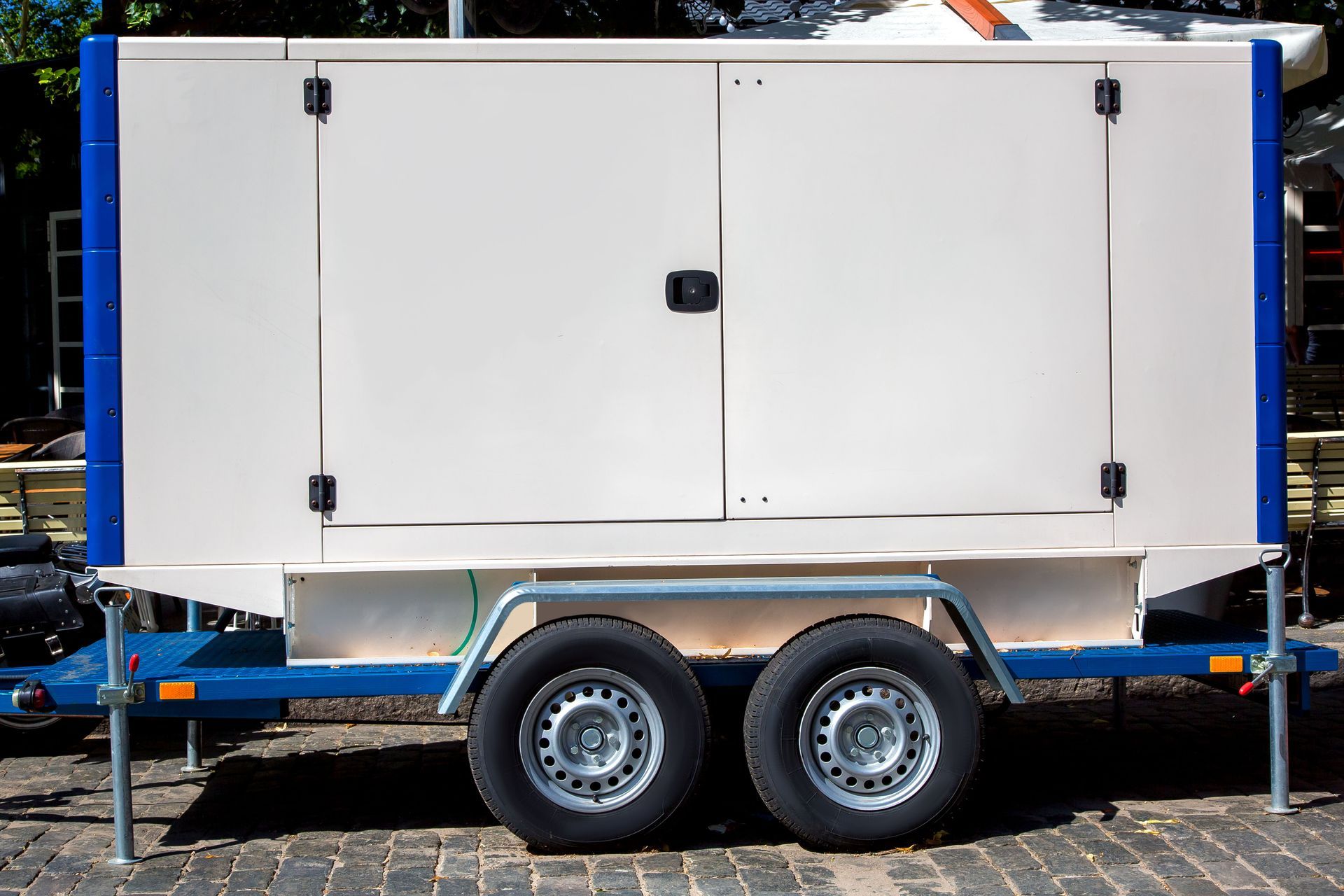
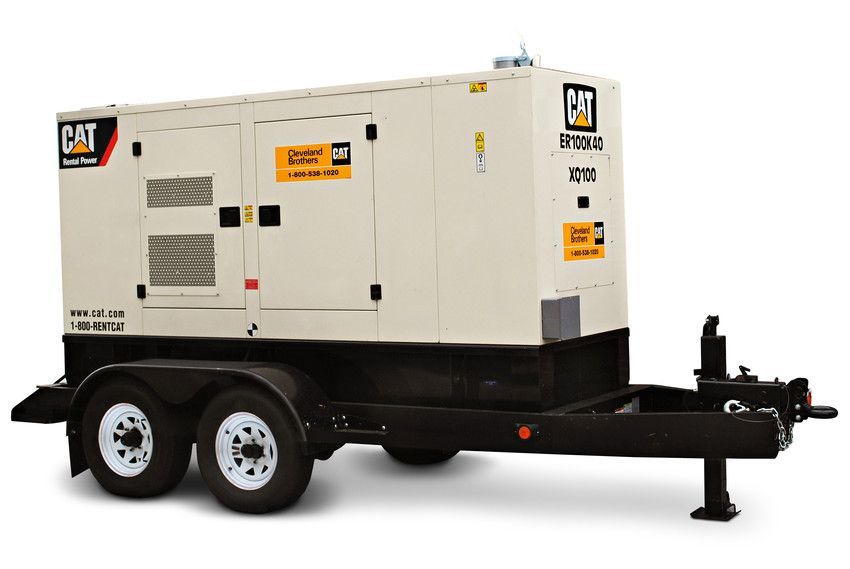
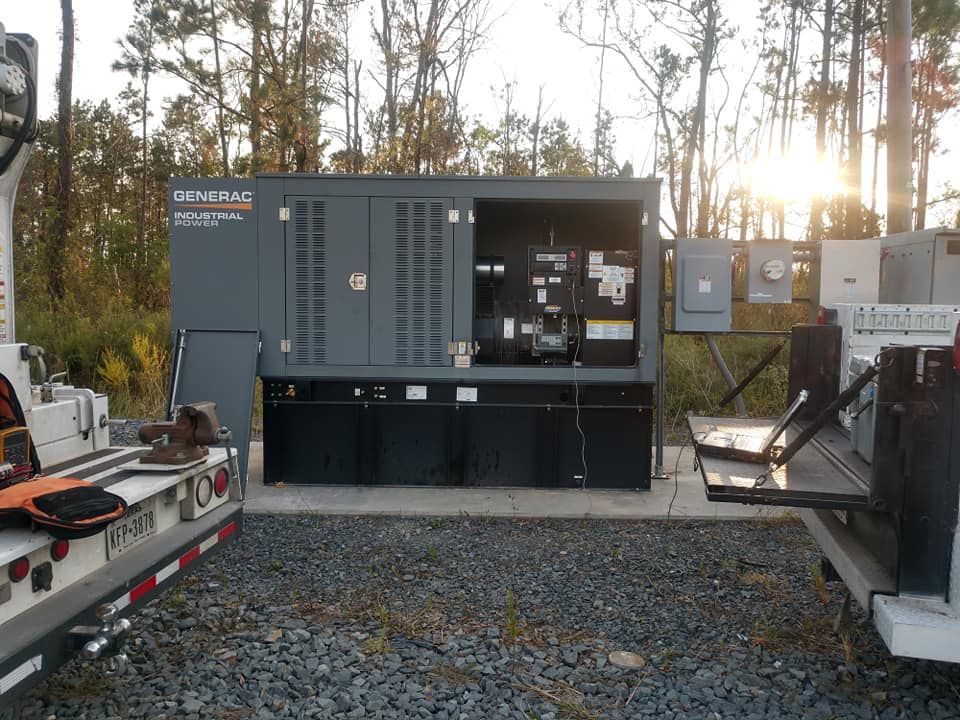
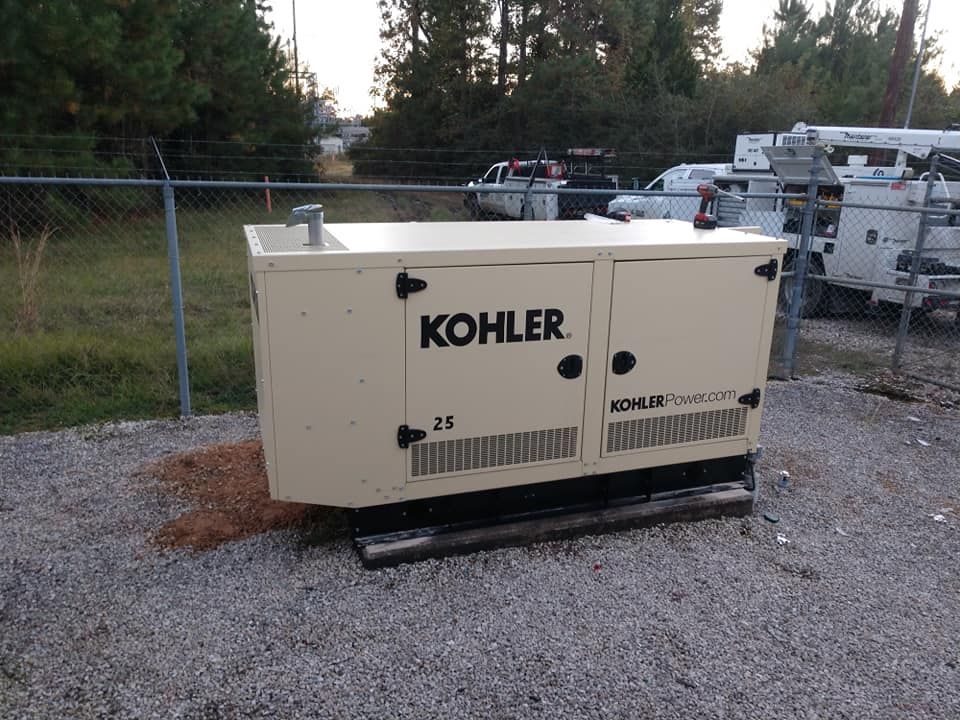
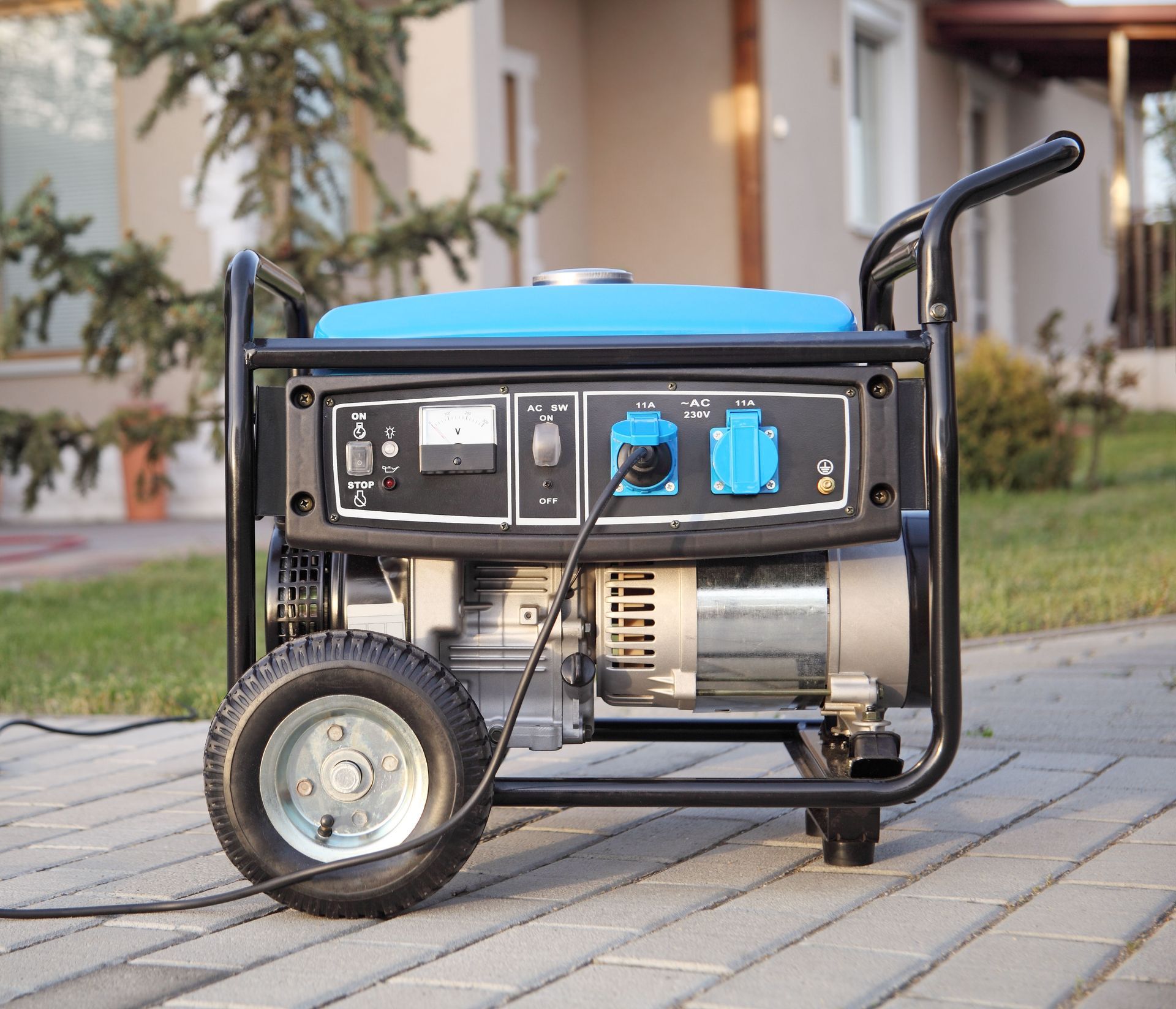
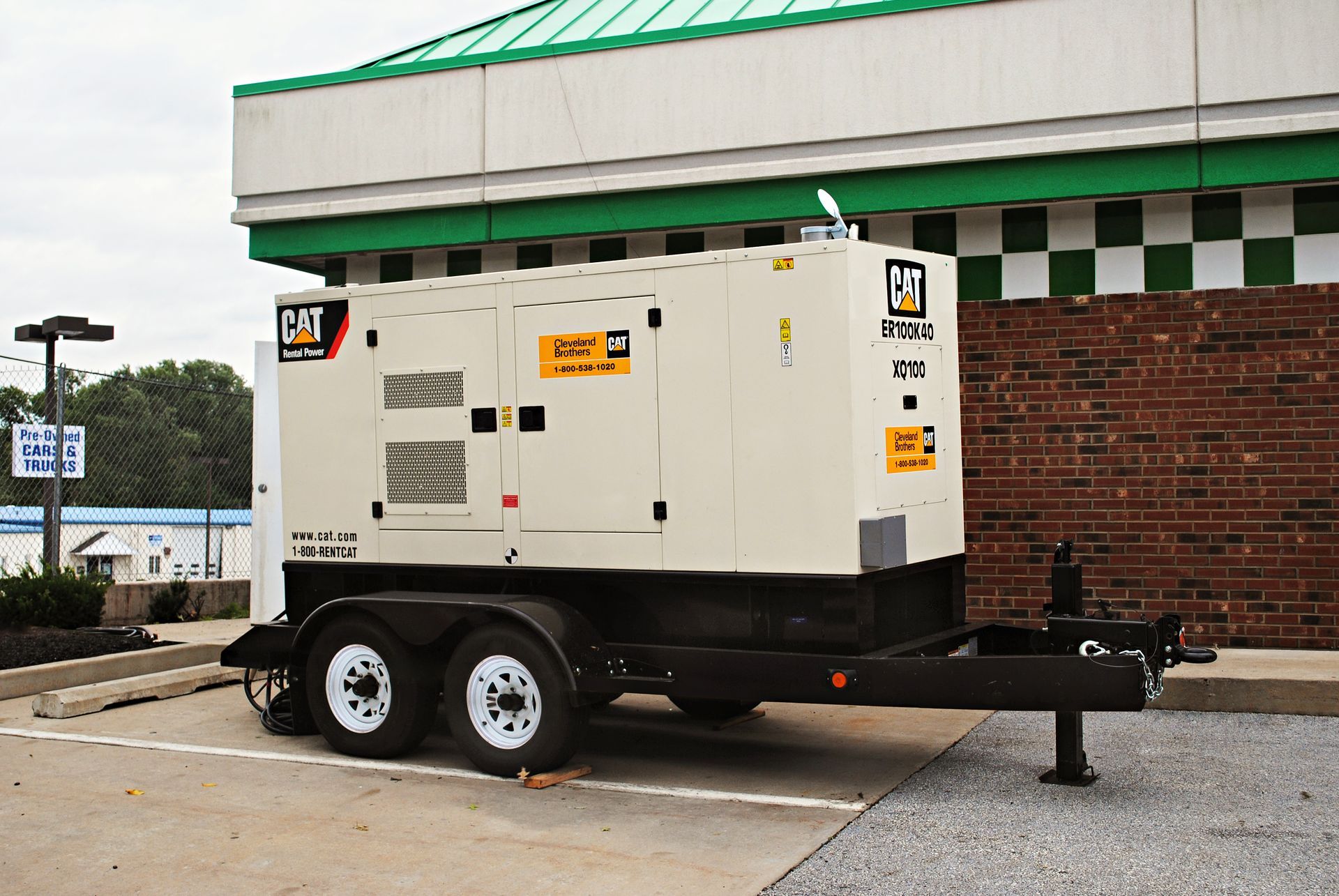
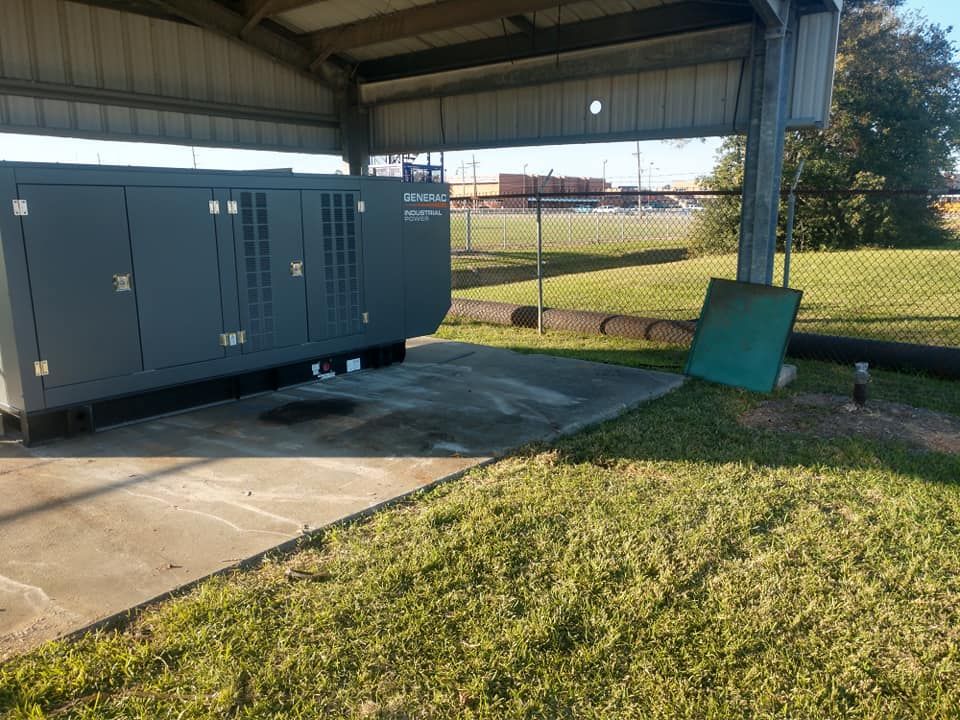
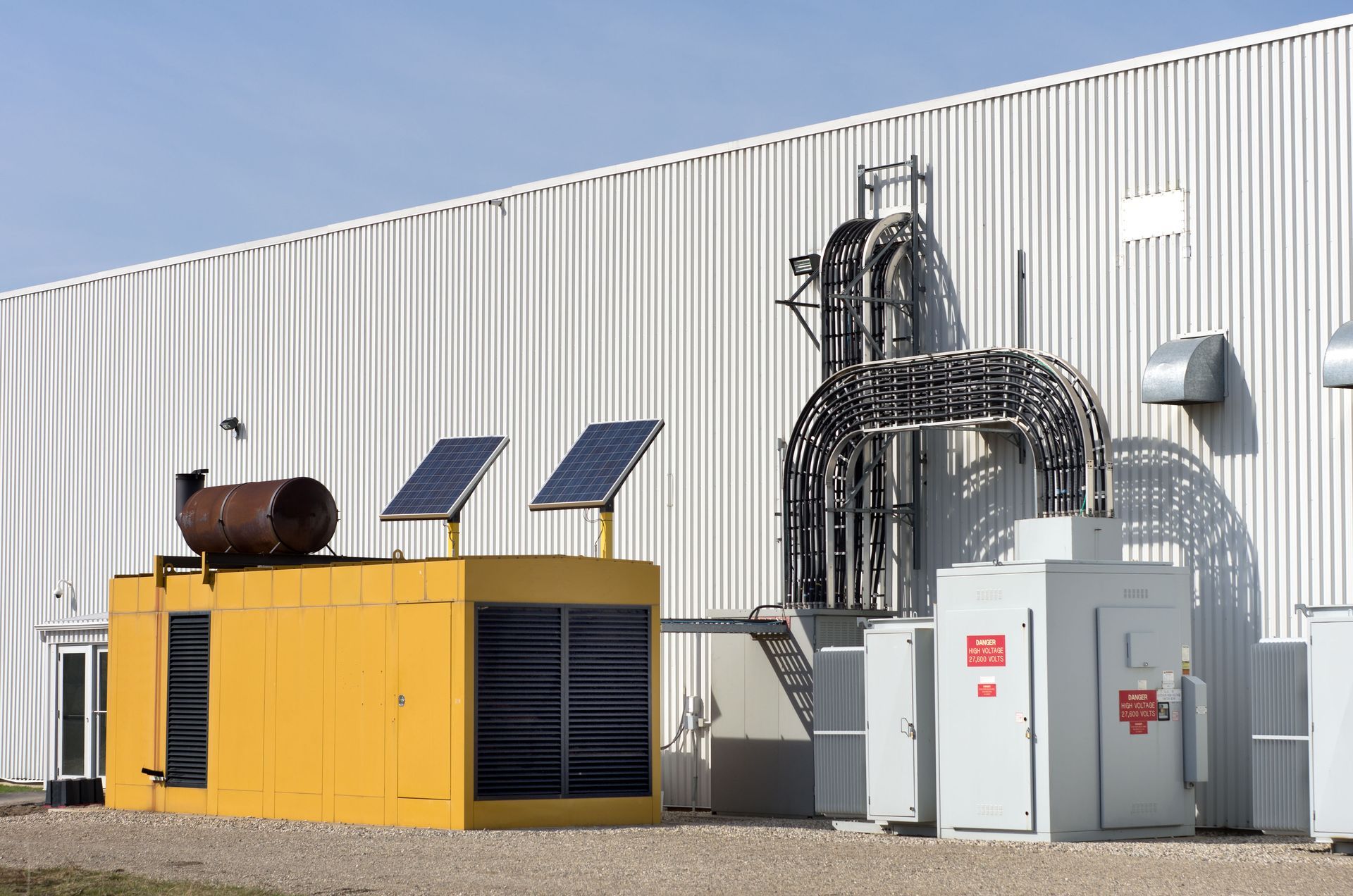
Different generator types serve different purposes. Portable units are useful for smaller projects that require mobility, while larger industrial generators can support substantial electrical loads. Standby units may be appropriate for operations that need consistent backup power. When considering generator rental options, evaluate the equipment's intended application, capacity, and ability to accommodate changing project requirements.
Matching Power Output to Demand
Generator capacity is generally measured in kilowatts (kW), making output specifications an important part of the selection process. An undersized unit may struggle to operate multiple machines, while an oversized generator can increase fuel expenses and operating costs. Project managers should compare equipment ratings with calculated power requirements, including startup loads and anticipated demand increases. Proper sizing supports dependable operation throughout the project.
Reviewing Costs and Equipment Reliability
Comparing rental costs involves more than looking at the initial rate. Transportation, fuel, installation, maintenance, and potential extension fees can all affect the total expense. When comparing generator rental providers, equipment reliability deserves similar attention. Reviewing maintenance records and service histories provides useful information about previous performance and routine care. Choosing well-maintained equipment can reduce the likelihood of unexpected breakdowns and costly interruptions.
Scheduling the Rental Period Effectively
Mapping Out Major Project Phases
A detailed project schedule makes it easier to determine when temporary power will be necessary. Identify the phases that require electrical equipment and estimate how long each activity will take. Construction projects, for example, may experience changing power demands as crews move from site preparation to structural work and finishing tasks. Aligning the generator rental period with these milestones helps avoid paying for equipment before it is needed or after work is complete.
Anticipating Changes in Power Demand
Electrical requirements rarely remain constant throughout an entire project. Certain stages may involve heavy machinery, additional lighting, or simultaneous equipment operation. Anticipating these changes allows project managers to determine whether the selected generator can accommodate peak demand. It also provides an opportunity to arrange additional capacity when necessary rather than reacting to shortages after work has started.
Allowing for Unexpected Schedule Changes
Weather conditions, material shortages, labor availability, and other challenges can affect project completion dates. Discussing flexible rental arrangements in advance gives project managers more options if the schedule changes. Rental extensions, equipment exchanges, and adjusted pickup dates may help accommodate unexpected circumstances. Building reasonable flexibility into the timeline can prevent rushed decisions and unnecessary expenses.
Coordinating Delivery and Installation Logistics
Securing Permits and Meeting Regulations
Before equipment arrives, determine whether permits or inspections are required for generator placement and operation. Local regulations may address noise, emissions, fuel storage, electrical connections, and operating locations. Working with the appropriate authorities and rental provider helps clarify these requirements. Addressing compliance early reduces the risk of fines, installation problems, or work stoppages.
Preparing the Delivery and Installation Site
The project site should be ready before the scheduled delivery date. This includes confirming that transportation vehicles can access the designated area and that the installation location provides sufficient space. Proper ventilation, clearance, drainage, and access for maintenance should also be considered. Reviewing site conditions beforehand helps installation teams position equipment safely and efficiently.
Organizing Installation and Testing
Qualified personnel should oversee generator installation, electrical connections, and initial inspections. Before the equipment supports normal operations, technicians should verify power output, voltage regulation, load capacity, and proper system connections. Testing can reveal potential problems while there is still time to make adjustments. Establishing a reliable power supply before critical project activities begin helps protect the overall schedule.
Maintaining Communication With Rental Providers
Establishing Primary Contact Points
Designating a primary contact with the rental provider simplifies communication throughout the project. This individual can coordinate delivery details, report equipment concerns, and request assistance when requirements change. Having a clear point of contact reduces confusion and helps ensure important information reaches the appropriate people.
Confirming Flexible Rental Agreements
Before finalizing an agreement, review the terms governing rental duration, equipment changes, maintenance, and early returns. Clarifying extension policies is particularly important when project completion dates are uncertain. Discussing these details in advance helps prevent misunderstandings and allows both parties to respond more effectively when circumstances change. A flexible generator rental agreement can also make it easier to accommodate adjustments without disrupting the project schedule.
Arranging Maintenance and Technical Support
Generator performance should be monitored throughout the rental period. Establish a maintenance schedule and determine how equipment problems will be reported and addressed. Confirming service availability and emergency response procedures helps minimize downtime if a mechanical or electrical issue occurs. Keeping communication channels open allows teams to resolve problems before they affect larger project objectives.
Reviewing Generator Performance After Project Completion
Evaluating Efficiency and Identifying Improvements
Once the project is complete, review how effectively the generator supported the work. Useful information includes operating hours, uptime, fuel consumption, and power output. Comparing these measurements with original estimates can reveal whether the selected equipment matched actual project demands. Project teams can use these observations to refine future power requirements, rental durations, and equipment selection.
Coordinating Equipment Pickup and Return
Pickup arrangements should be confirmed before the final project activities are completed. Ensure the equipment is accessible and that designated personnel understand the return process. Coordinating removal with the rental provider prevents unnecessary extensions and allows the site to transition smoothly into its next phase of use. Including pickup arrangements in the original generator rental schedule also helps prevent avoidable costs.
Coordinating temporary power requires thoughtful planning, accurate equipment selection, and consistent communication. From estimating electrical demand to scheduling delivery and arranging equipment pickup, each step contributes to a more efficient project timeline. Working with an experienced provider can simplify these responsibilities and help teams prepare for changing power requirements. Emergency Power Service can help businesses evaluate their equipment needs and coordinate dependable power solutions that support their project schedules.


Share On: